






Details
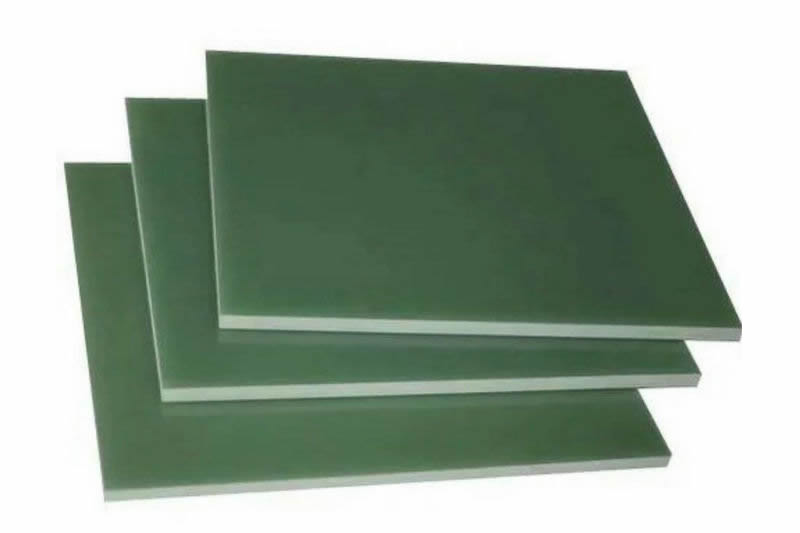
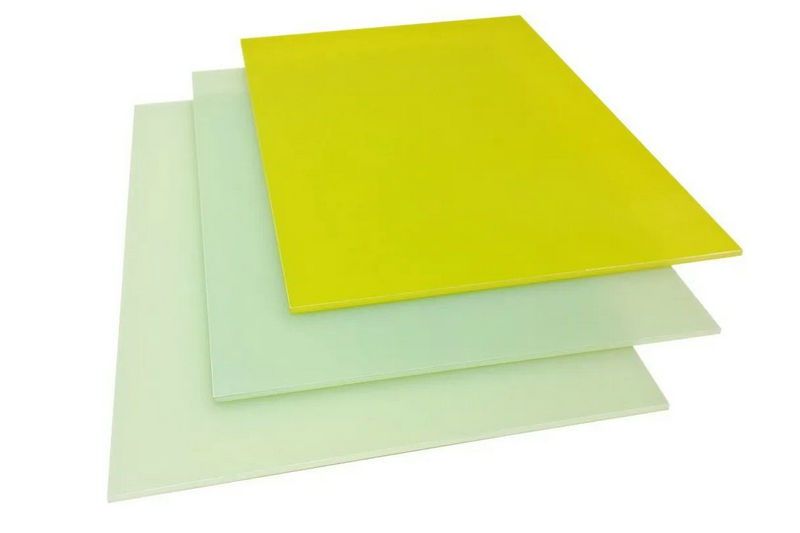
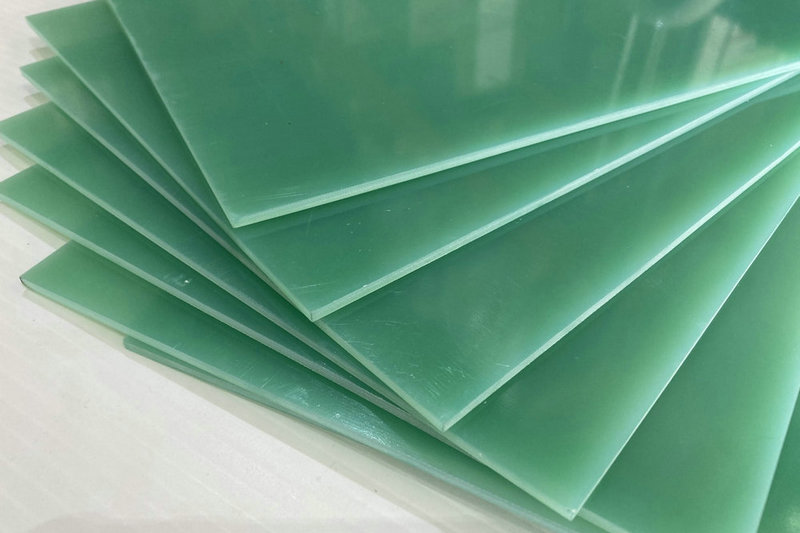
Epoxy Glass Laminated Sheets
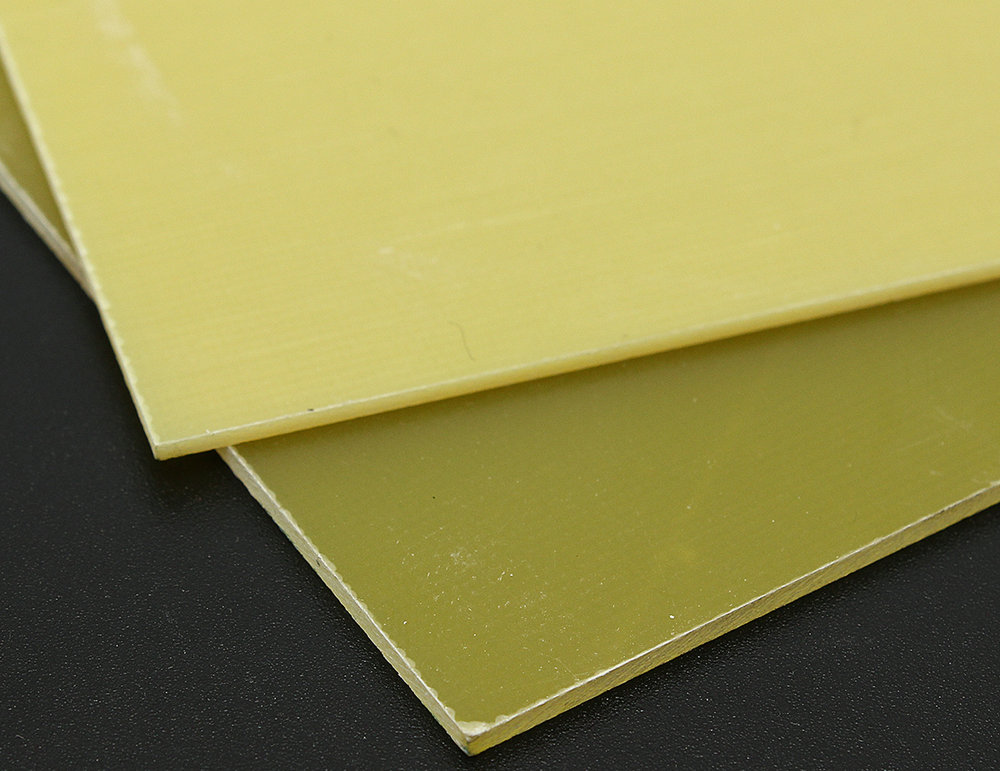
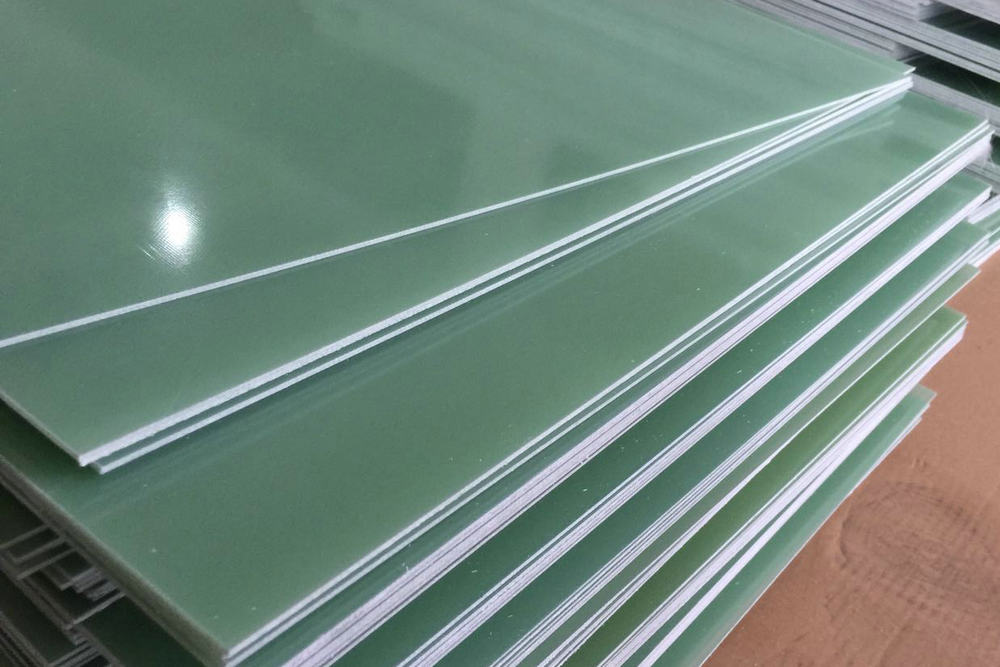
Epoxy Glass Laminated Sheets are high-performance composite materials formed by bonding layers of woven glass fiber cloth with epoxy resin. When cured under heat and pressure, the resin hardens to produce a rigid, durable, and flame-retardant material with excellent electrical insulation and mechanical strength. These sheets are widely used as the substrate in printed circuit boards (PCBs) as well as in various industrial and structural applications where durability and reliability are critical.
Key Features:
-High Mechanical Strength:
The combination of glass fiber reinforcement and epoxy resin yields excellent tensile, compressive, and flexural strength.
-Excellent Electrical Insulation:
Provides high dielectric strength and low dielectric constant, making it ideal for electronic circuit applications.
-Flame Retardancy:
Many grades meet strict flame retardant standards (UL 94 V-0), enhancing safety in electrical applications.
-Dimensional Stability:
Maintains structural integrity and size under varying temperatures and humidity.
-Good Chemical Resistance:
Resistant to solvents, oils, alkalis, and many corrosive chemicals.
-Ease of Machining:
Can be easily cut, drilled, and routed, allowing for precision fabrication.
Types:
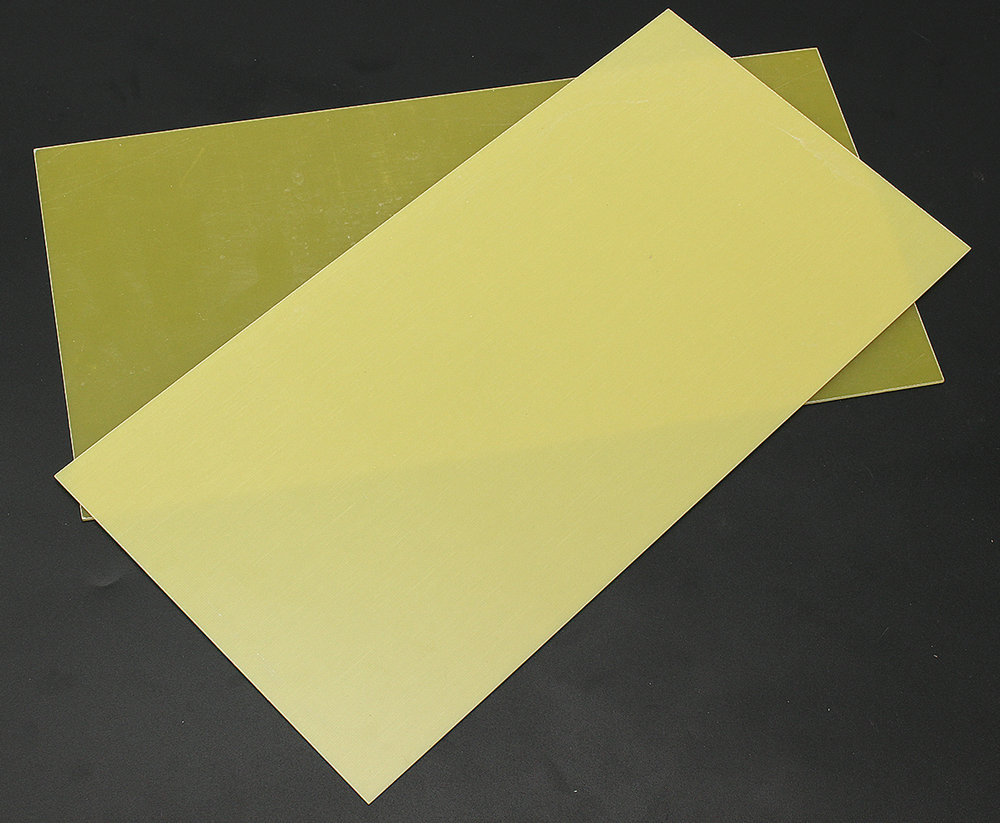
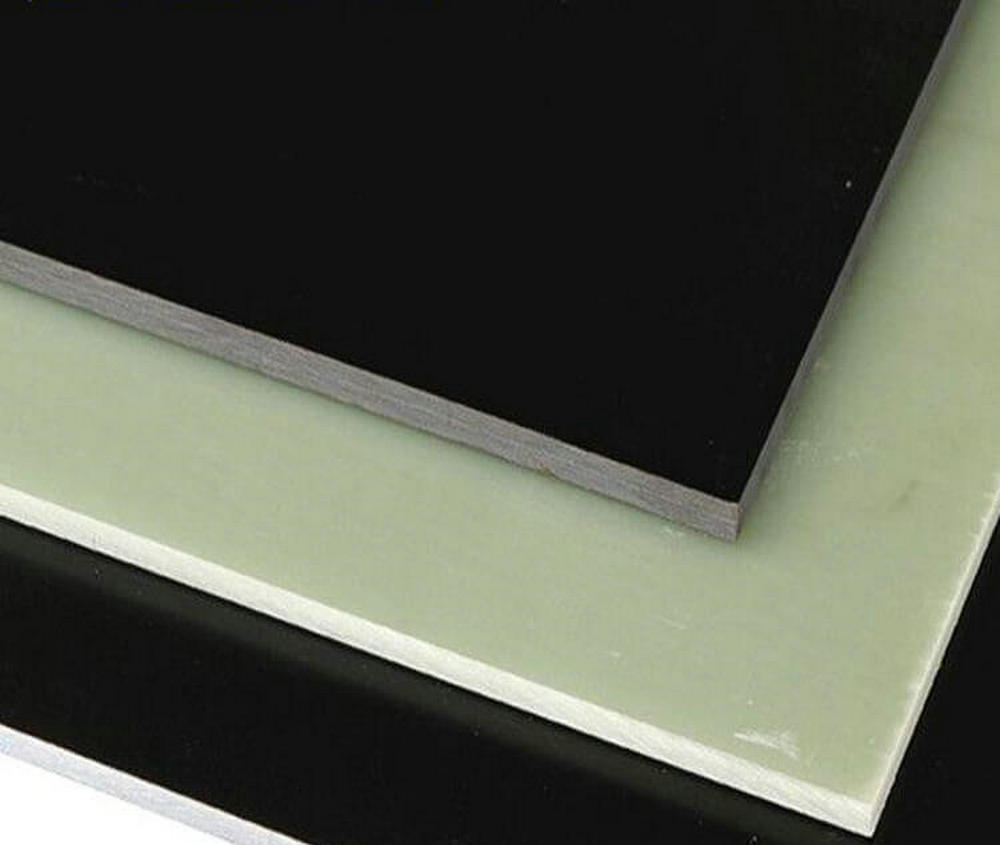
Epoxy glass sheets are categorized by NEMA (National Electrical Manufacturers Association) grades. Key types include:
Grade | Description | Key Properties |
G9 | General-purpose laminate with moderate thermal resistance. | Low moisture absorption, good electrical insulation. Rarely used today. |
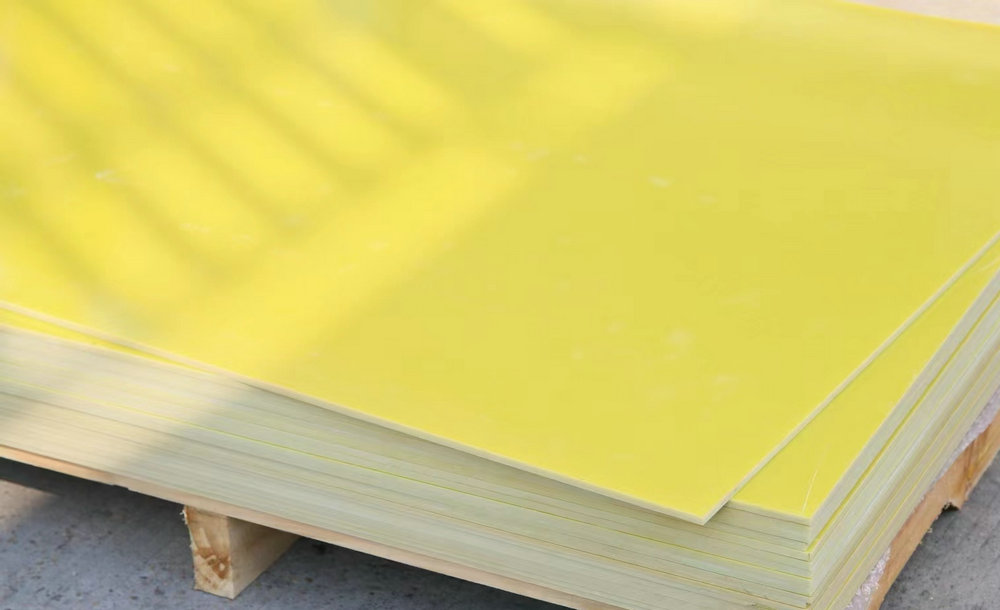
G10 | Non-flame-retardant glass epoxy laminate. | High mechanical strength, excellent machining, and chemical resistance. |
G11 | High-temperature grade with improved thermal endurance. | Continuous service up to 180°C, superior arc resistance. |
Grade | Description | Key Properties |
| thermal endurance. | arc resistance. |
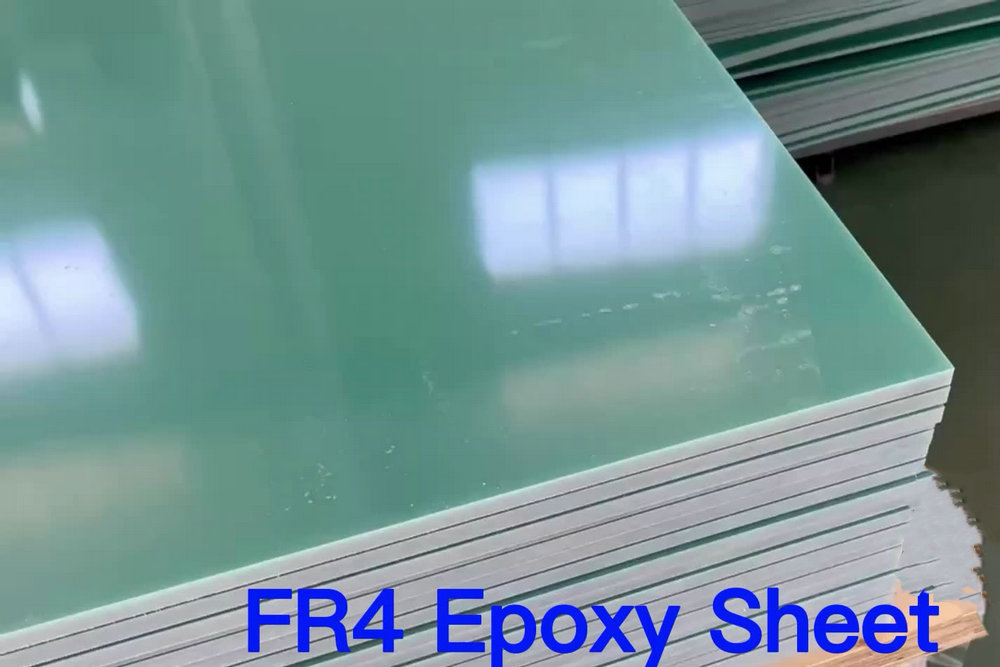
FR4 | Flame-retardant version of G10 (contains brominated additives). | UL94 V-0 rated, widely used in PCBs and electronics. |
EPGC | Epoxy Glass Composite (European designation, similar to G10/FR4). | Custom formulations for specific mechanical/thermal needs. |
Technical Parameters:
Note: The following are typical values; actual parameters may vary with process.
Property | G10 | FR4 | G11 | EPGC |
Density (g/cm³) | 1.8–1.9 | 1.8–1.9 | 1.8–2.0 | 1.7–1.9 |
Tensile Strength (MPa) | 350–400 | 300–350 | 400–450 | 300–350 |
Dielectric Strength (kV/mm) | 20–25 | 20–25 | 25–30 | 18–22 |
Glass Transition Temp. (Tg) | 120–130°C | 130–140°C | 170–180°C | 130–150°C |
Flame Rating | Non-FR | UL94 V-0 | Non-FR | Varies |
Water Absorption (%) | 0.1–0.2 | 0.1–0.2 | 0.05–0.1 | 0.1–0.3 |
Product Benefits:
-Robust Structural Integrity:
Combines high strength with a lightweight design, ideal for structural and electrical applications.
-Superior Insulation:
Excellent electrical properties make it the industry standard for PCBs.
-Safety & Flame Retardancy:
FR4 and similar grades provide enhanced fire resistance, ensuring safe operation in electronic devices.
-Consistency & Reliability:
Maintains dimensions and performance even under thermal cycling and environmental stress.
-Cost-Effective:
Widely available and economical, especially in standard grades like G10 for mass production.
-Versatile Fabrication:
Easily processed by standard machining methods, facilitating custom shapes and sizes.
Applications:
Electronics: PCBs (FR4), insulating spacers, relay boards.
Electrical: Switchgear components, terminal blocks, busbar supports.
Mechanical: Gears, bearings, jigs, and fixtures (G10/G11).
Aerospace: Lightweight structural panels and insulators.
Renewable Energy: Solar panel frames, wind turbine components.
Automotive: Sensor housings, battery insulation (EPGC).
Custom Industrial Parts: Utilized for precision parts that demand high dimensional stability and electrical insulation.
Storage Guidelines:
-Environment:
Store in a cool, dry, and well-ventilated area away from direct sunlight and high humidity.
-Packaging:
Keep in original packaging or in sealed containers to protect against moisture and physical damage.
-Handling:
Avoid stacking heavy objects on top of the sheets to prevent warping or delamination.
-Shelf Life:
With proper storage conditions, these laminates can maintain their properties for several years. Periodic inspections are recommended for long-term storage.
FAQ
Q1: Which grade is best for high-frequency PCBs?
A: For high-performance PCBs, FR4 is typically the preferred material due to its proven flame retardancy and electrical insulation properties. For applications requiring even better dimensional stability or lower moisture absorption, G11 or specialized EPGC grades may be recommended.
Q2: How do G9, G10, G11, FR4 and EPGC differ
A:
1.G10 vs. FR4: FR4 is flame-retardant (contains bromine); G10 is not.
2.G11 vs. G10: G11 offers higher thermal resistance (Tg ~180°C vs. 130°C).
3.EPGC vs. FR4: EPGC may use non-brominated resins for eco-compliance.
4.G9: Obsolete in most industries due to limited thermal performance.
Q3: Are halogen-free options available?
A: Yes, EPGC or halogen-free FR4 variants meet ROHS/REACH standards.
Q4: What’s the price difference between G10 and FR4?
A: FR4 costs ~10–15% more due to flame-retardant additives.
Q5: Is G11 suitable for food-grade applications?
A: No—use FDA-compliant resins or separate food-safe coatings.
Q6: Can epoxy glass sheets be bonded with adhesives?
A: Yes, epoxy-based adhesives work best. Surface roughening improves adhesion.
Q7: How to cut epoxy glass sheets without chipping?
A: Use carbide-tipped blades and low feed speeds. Laser cutting is also effective.
Q8: What does EPGC mean?
A: EPGC stands for Epoxy Glass Cloth laminate composite. It is similar to FR4 in composition but may be engineered with different resin formulations or manufacturing processes to enhance specific properties such as electrical performance or moisture resistance.
Q9: Are these materials safe for use in high-humidity environments?
A: When properly manufactured (especially grades like FR4 with low moisture absorption), epoxy glass laminates perform well even in high-humidity environments. However, extended exposure to moisture without proper storage or sealing could affect their properties.
- PRE: No more
- NEXT: No more