






Details
HDPE Sheets
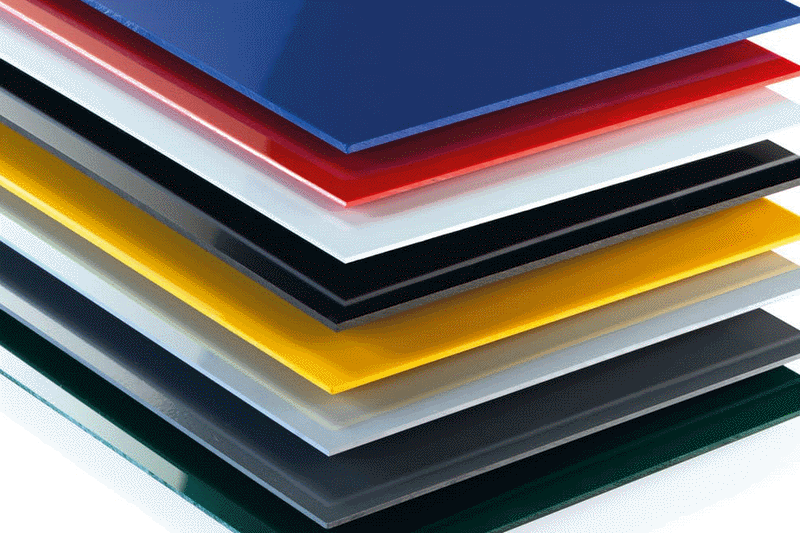
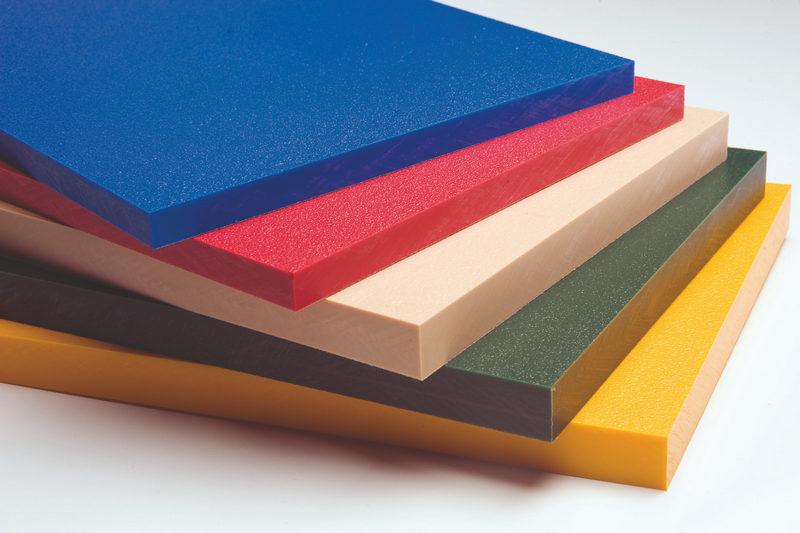
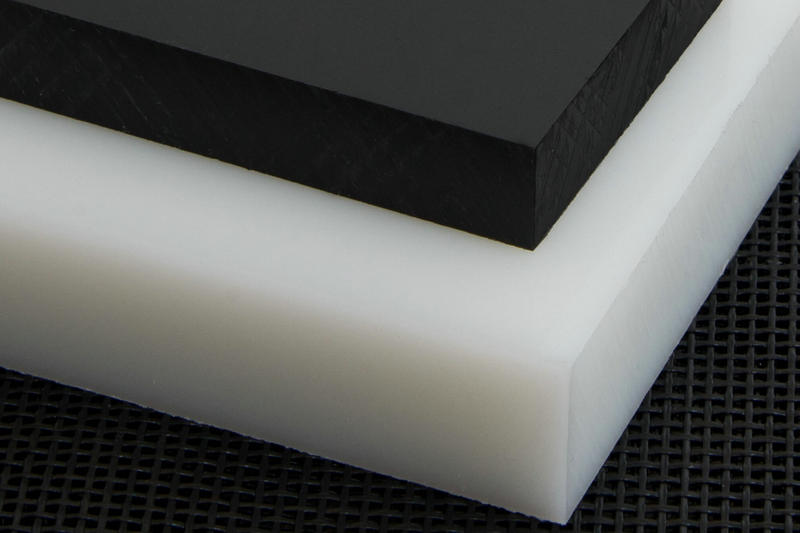
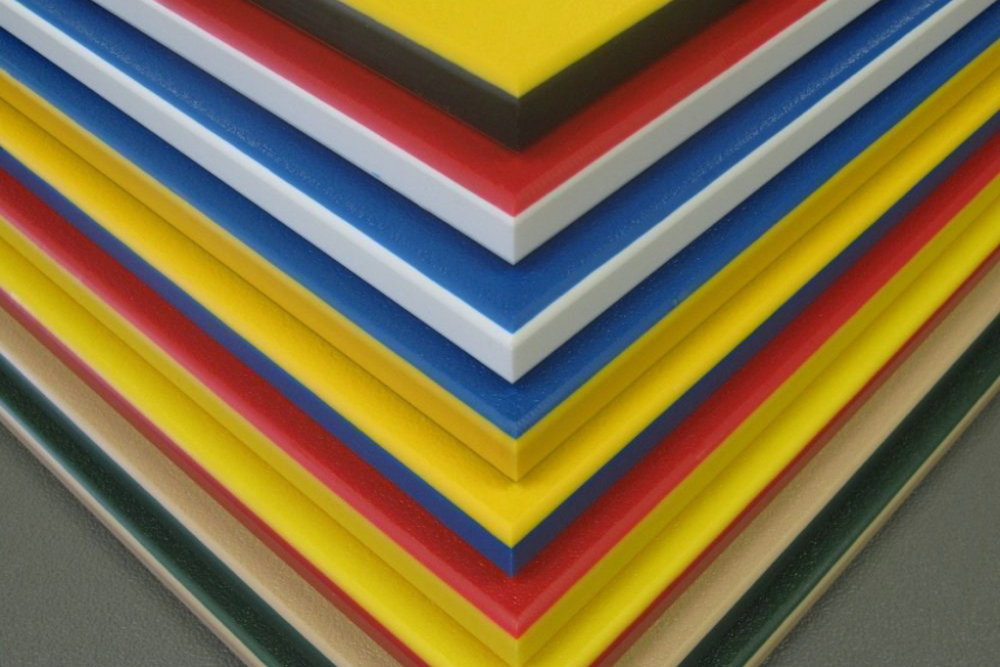
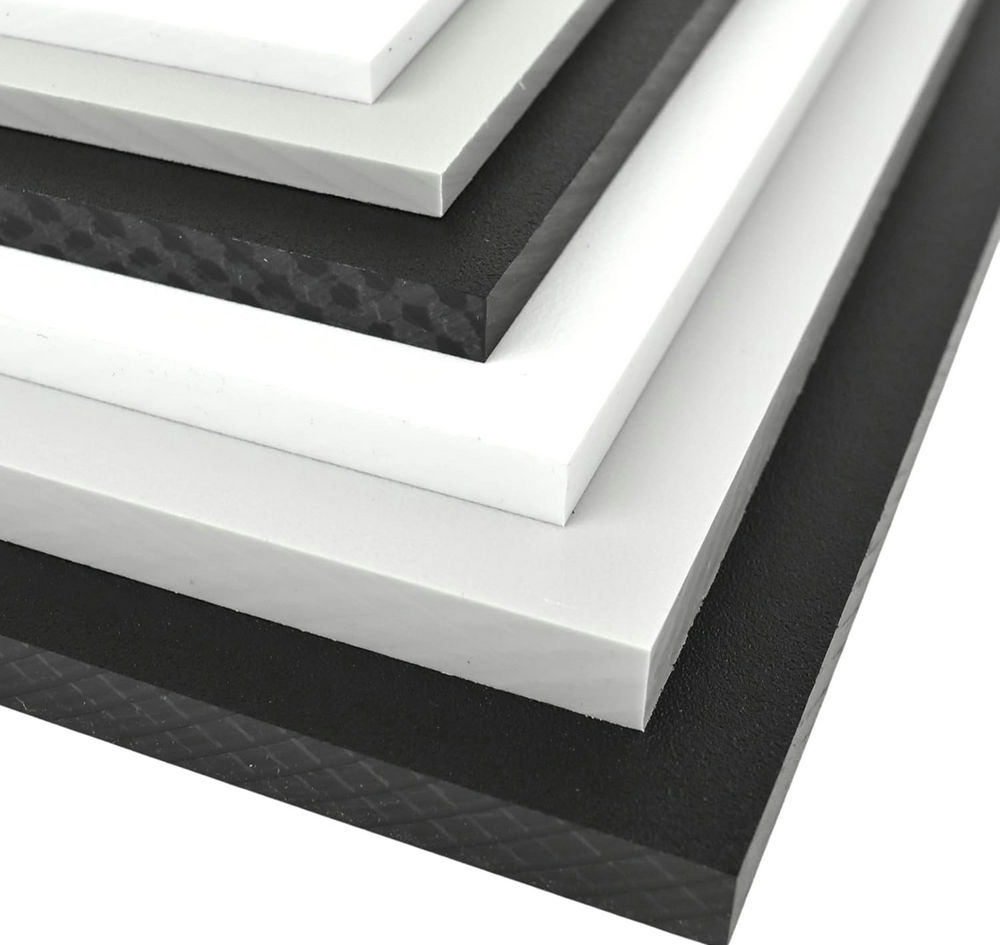
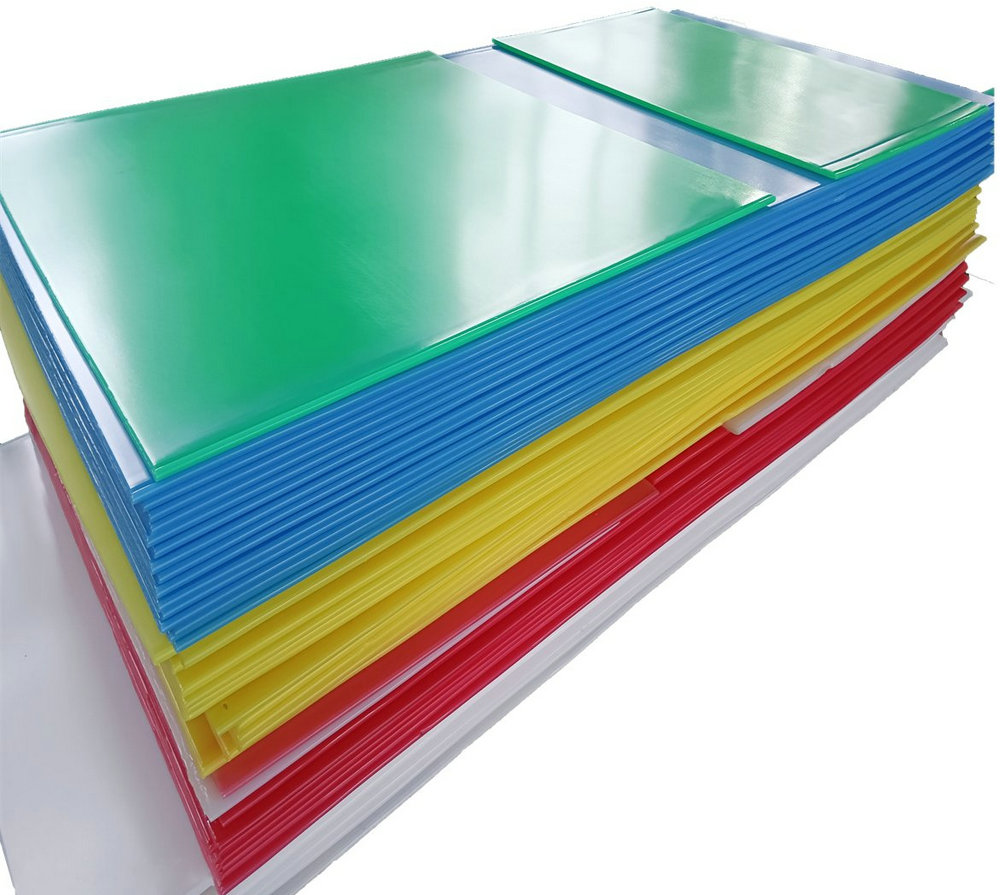
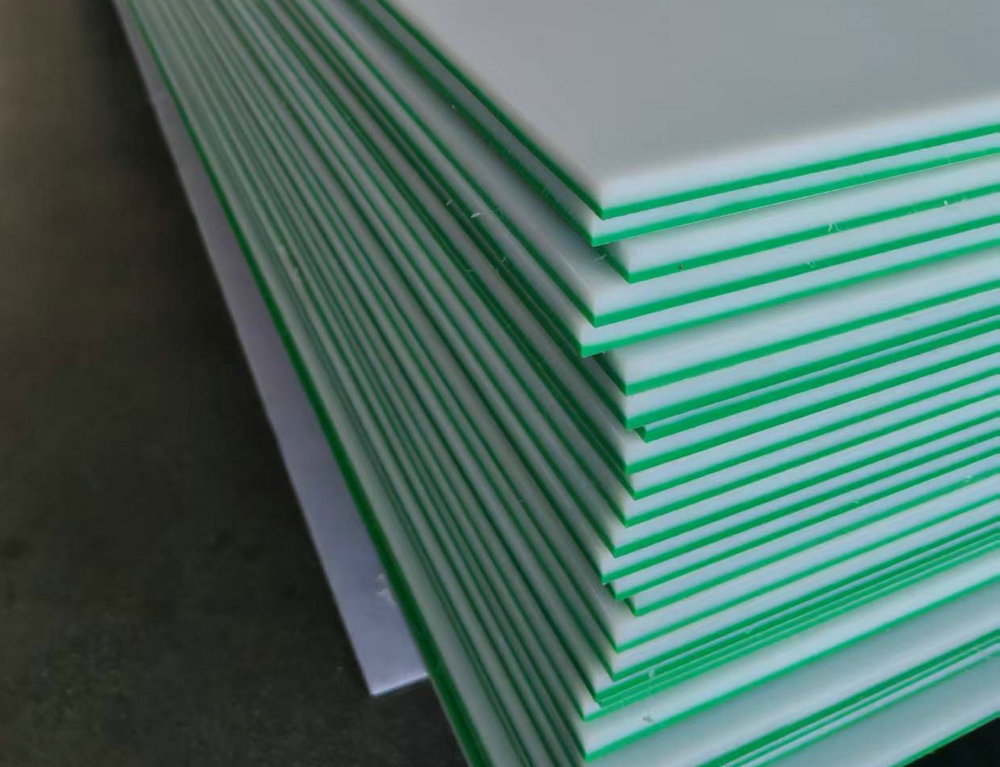
HDPE Sheets, also known as High-Density Polyethylene Sheets, are flat, rigid, thermoplastic panels produced by polymerizing ethylene under high pressure, a thermoplastic polymer characterized by its high strength-to-density ratio. Manufactured through extrusion or compression molding processes, HDPE sheets offer a smooth, durable surface along with excellent chemical resistance and rigidity. Because of these properties, HDPE sheets are widely used in industrial, marine, commercial, and consumer applications—from protective panels and cutting boards to outdoor signage and packaging.
Note: “HEDPE” is a frequent misspelling; the correct abbreviation is HDPE.
Key Features:
-High Strength & Rigidity:
HDPE sheets have a dense molecular structure, giving them excellent impact resistance, toughness, and dimensional stability. Ideal for high-stress environments (e.g., conveyor systems, marine docks).
-Chemical Resistance:
Resistant to a wide range of acids, bases, alcohols, oils, and solvents, making them ideal for harsh environments.
-Moisture & UV Resistance:
Exhibits low water absorption making it impervious to rot or swelling and can be UV-stabilized for outdoor applications.
-Low Friction & Wear:
Provides a smooth surface with low coefficient of friction, enhancing wear resistance in moving parts.
-Versatility in Processing:
Easily fabricated by cutting, welding, drilling, and thermoforming using standard industrial methods.
-Recyclability:
Being a thermoplastic, HDPE is 100% recyclable, which makes it an eco-friendly material choice.
-Thermal Properties:
Operating range: -50°C to +80°C (short-term exposure up to 100°C).
Low thermal conductivity (0.45–0.52 W/m·K).
Types:
HDPE sheets are available in various grades and formulations to suit different applications:
Type | Key Characteristics | Applications |
Virgin HDPE | Highest purity, optimal mechanical properties. | Chemical tanks, lab equipment, precision parts. |
Recycled HDPE | Contains 30–100% post-consumer waste; eco-friendly. | Park benches, outdoor furniture, pallets. |
Food-Grade HDPE | NSF/ANSI 51 & FDA-compliant; non-toxic. | Cutting boards, dairy equipment, water tanks. |
UV-Stabilized HDPE | Carbon black (2–3%) or UV inhibitors for outdoor use. | Marine dock panels, playground equipment. |
Anti-Static HDPE | Surface resistivity: 10⁶–10⁹ Ω/sq (ASTM D257). | Electronics manufacturing, cleanroom fixtures. |
Cross-Linked HDPE | Chemically cross-linked for higher temp resistance. | Hot water piping, industrial liners. |
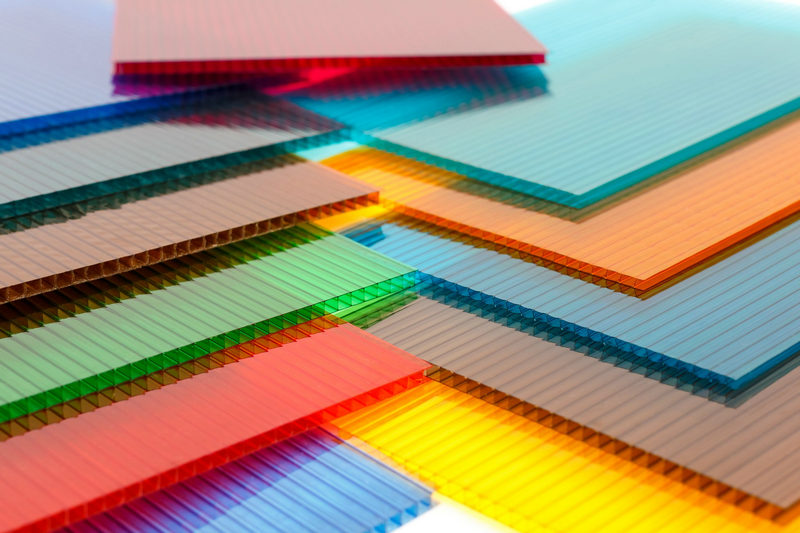
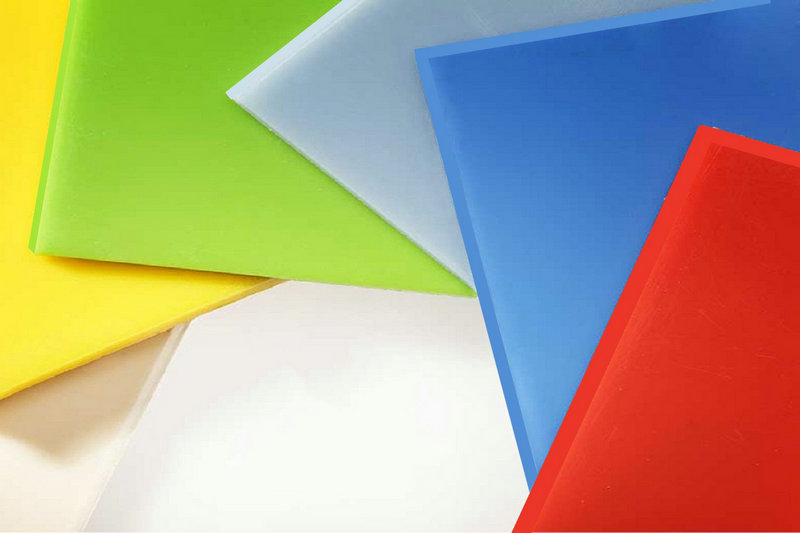
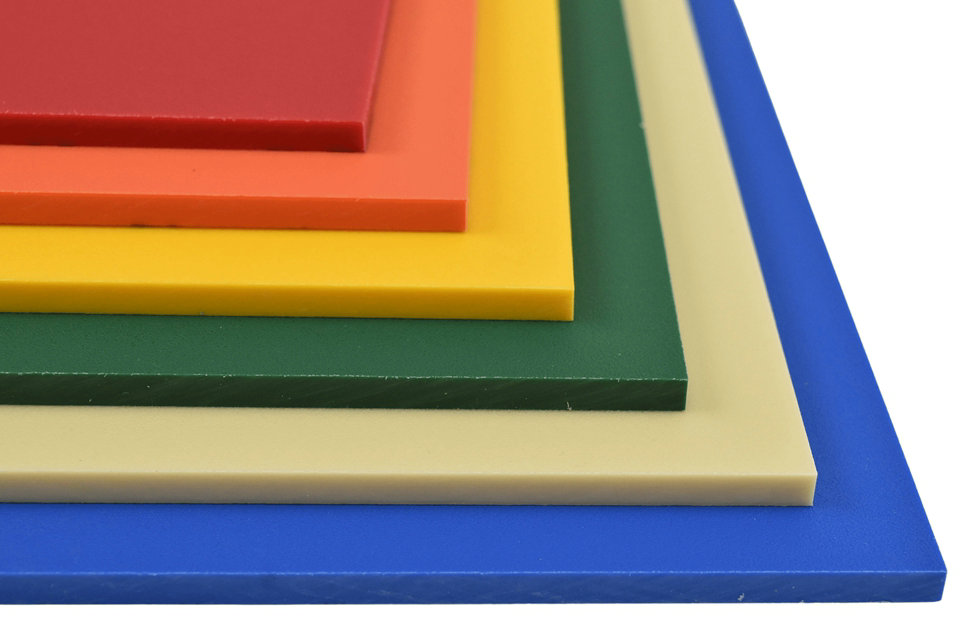
Colored HDPE | Pre-pigmented (e.g., black, blue, green) for aesthetics. | Architectural cladding, safety |
Technical Parameters:
Typical technical specifications for HDPE sheets include:
Parameter | Typical Value/Range | Comments |
Density | 0.93 – 0.97 g/cm³ | High density provides improved strength and rigidity |
Tensile Strength | 20 – 35 MPa | Varies with formulation and processing conditions |
Flexural Modulus | 800 – 1,200 MPa | Indicates stiffness and resistance to bending |
Impact Resistance | High (notched Izod impact > 30 J/m) | Excellent resistance to shock and impact forces |
Operating Temperature | -40°C to +80°C (continuous use) | Short-term exposures may be higher; UV-stabilized grades offer improved outdoor performance |
Melting Point | ~130°C – 137°C | Determines processing and service temperature limits |
Water Absorption | < 0.01% | Virtually non-absorptive, ensuring dimensional stability |
Chemical Resistance | Resistant to most acids, alkalis, and solvents | Performance confirmed through various standardized tests |
Product Benefits:
-Durability & Longevity:
HDPE sheets are extremely tough and resistant to cracking, chipping, or wear even under high-impact or abrasive conditions.
-Low Maintenance:
Their smooth, non-porous surface is easy to clean, resistant to staining, and does not harbor bacteria, making them ideal for hygienic applications.
-Flexibility in Design:
Easily fabricated into various shapes and sizes, and can be joined via welding, mechanical fasteners, or adhesives.
-Environmental Benefits:
HDPE is 100% recyclable, reducing environmental impact and contributing to sustainable practices.
-Cost-Effective:
Provides excellent performance at a competitive price point, making it a popular choice across industries. 50% cheaper than UHMWPE and 70% cheaper than PTFE.
-Corrosion Resistance: Immune to rust, rot, and galvanic corrosion.
Applications:
HDPE sheets are used in a wide variety of industries and applications, including:
-Industrial & Manufacturing:
Protective panels, machine guards, and work surfaces
Chemical storage tanks and linings due to excellent chemical resistance
Conveyor belts, chutes, and liners for bulk materials handling
-Food Processing & Packaging:
Cutting boards, food trays, and packaging materials
Surfaces for food processing equipment (in food-grade applications)
-Construction & Signage:
Outdoor signage, bollards, and barrier systems
Decking, fencing panels, and other architectural elements
-Consumer Products:
Storage containers, playground equipment, and recreational items
DIY projects and home improvement products
-Marine Applications:
Components resistant to saltwater corrosion, such as docks, boat fenders, and liners
Storage & Handling:
To ensure that HDPE sheets maintain their quality and performance, follow these storage and handling recommendations:
-Storage Conditions:
Store in a cool, dry environment, away from direct sunlight to prevent discoloration and degradation.
Maintain a stable temperature and avoid extreme fluctuations.
-Handling Guidelines:
Handle with care to avoid scratches, dents, or other physical damage.
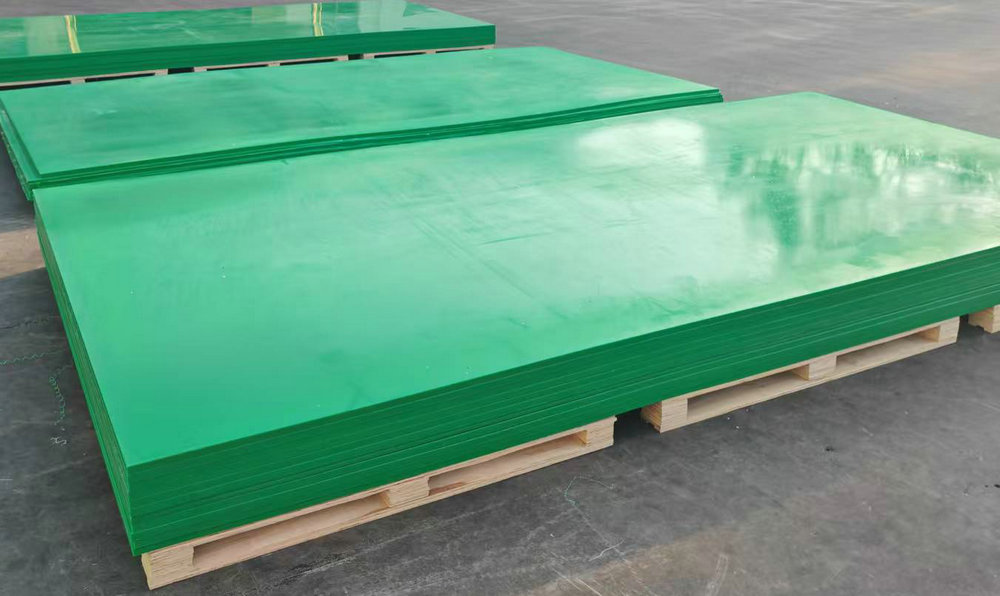
Use appropriate lifting and moving equipment to prevent bending or warping, especially for large sheets.
-Packaging:
Keep in original packaging or use protective covers to guard against dust, moisture, and mechanical damage during transportation and storage.
-Long-Term Storage:
Inspect periodically for signs of surface degradation or warping, especially if stored outdoors or in humid environments.
FAQ
Q1: What is HDPE and why is it used for sheets?
A: HDPE (High-Density Polyethylene) is a thermoplastic polymer known for its high strength-to-density ratio, chemical resistance, and durability. It is used for sheets because it combines toughness, versatility, and ease of processing, making it ideal for both industrial and consumer applications.
Q2: How does HDPE compare to other plastics like LDPE or PVC?
A: HDPE is more rigid and stronger than LDPE, offering higher tensile strength and better resistance to impact and chemicals. Unlike PVC, HDPE is less brittle and more environmentally friendly due to its recyclability and lower toxicity.
Q3: How should I clean and maintain HDPE sheets?
A: HDPE sheets are easy to maintain. They can be cleaned using mild detergents and water. Avoid using abrasive cleaners or tools that may scratch the surface.
Q4: Can HDPE sheets be recycled?
A: Yes, HDPE is 100% recyclable. It is widely accepted by recycling programs and can be reprocessed into a variety of new products.
Q5: What’s the maximum thickness available?
A: Up to 100mm (4 inches), though 12–25mm is standard for industrial use.
Q6: How to bond HDPE to other materials?
A: Use epoxy adhesives after surface treatment (flame or plasma etching).
Q7: Can HDPE be sterilized?
A: Yes—autoclave at 121°C for 20 minutes (short-term only).
Q8: Does HDPE emit toxic fumes when burned?
A: Yes—combustion releases CO₂ and hydrocarbons. Avoid incineration.
Q9: How does recycled HDPE compare to virgin HDPE?
A: Slightly reduced tensile strength (15–20%) but comparable chemical resistance.
Q9: What is the difference between HDPE and UHMWPE?
A: Please refer to the matrix below:
HDPE vs. UHMWPE
Aspect | HDPE | UHMWPE |
Molecular Weight | 200,000–500,000 g/mol | 3–6 million g/mol |
Abrasion Resistance | Moderate | 15x higher than carbon steel |
Cost | $2–5 per kg | $10–20 per kg |
Impact Strength | High | Extreme (unbreakable in most cases) |
Flexibility | Semi-rigid | Softer, more pliable |
Primary Uses | Tanks, liners, outdoor furniture | High-wear parts (gears, bearings) |
- PRE: No more
- NEXT: 80300 HDPE Rods