






Details
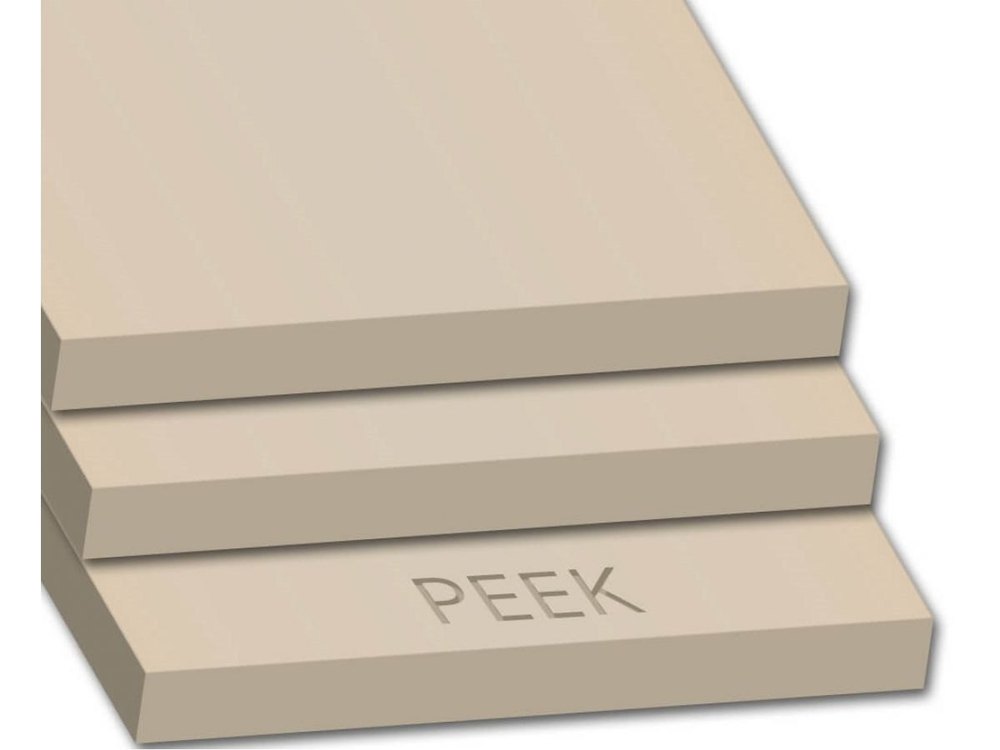
PEEK SHEETS
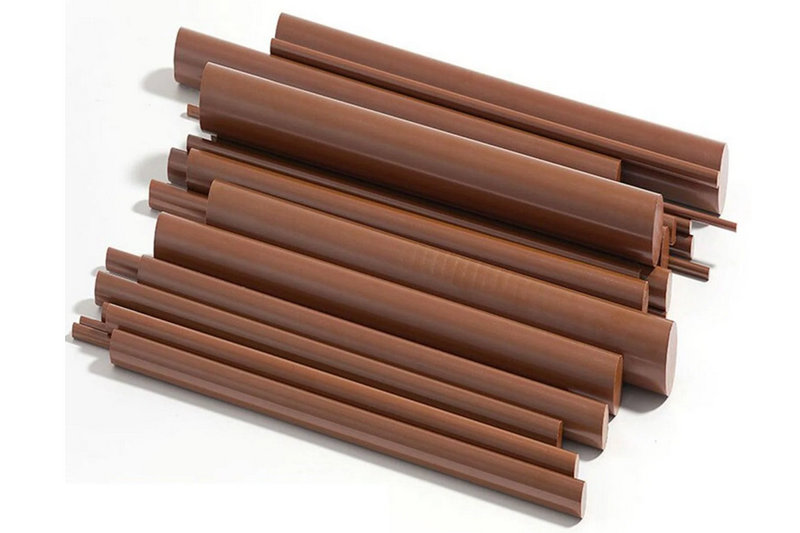
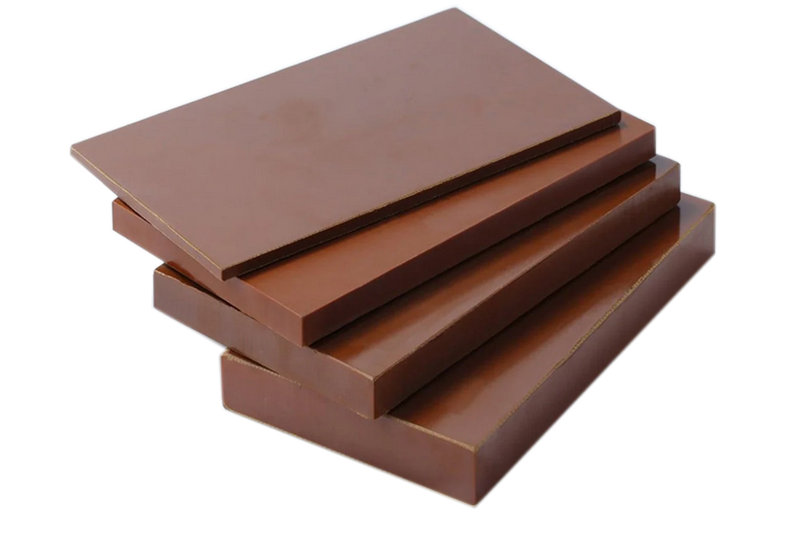
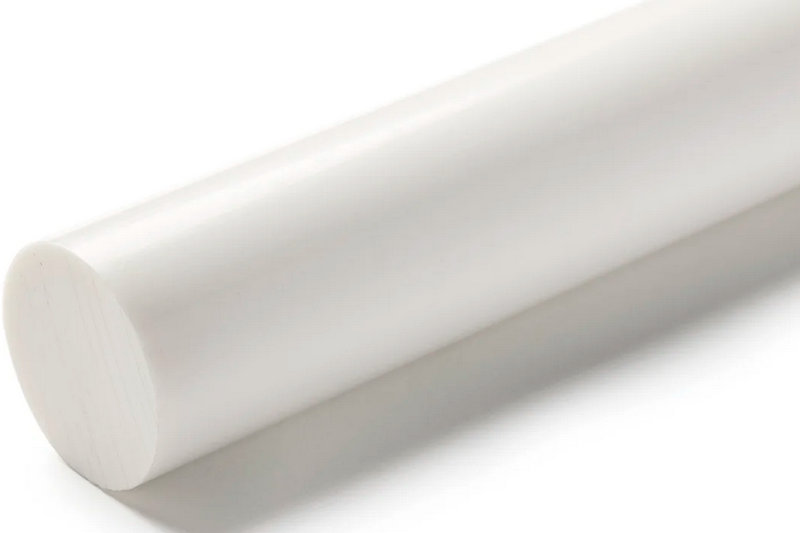
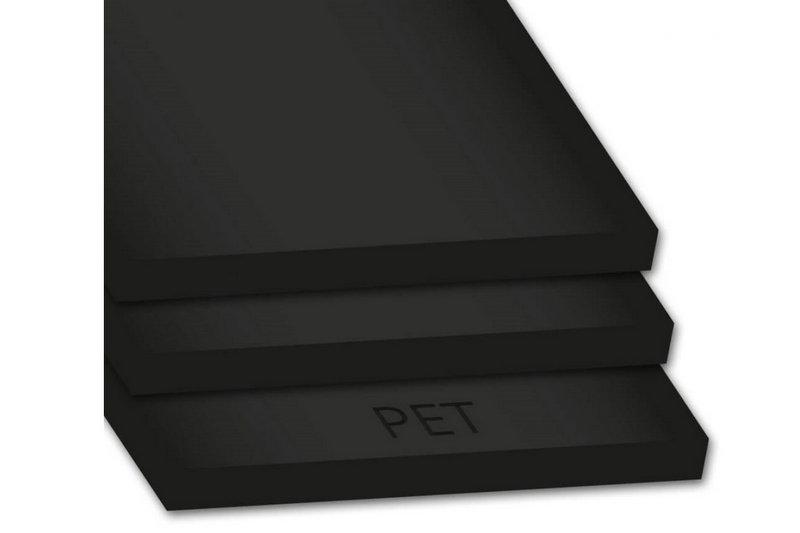
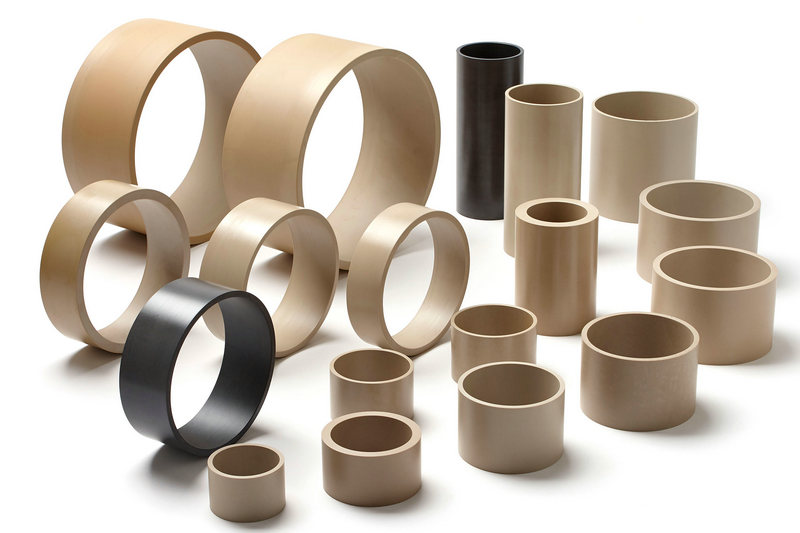
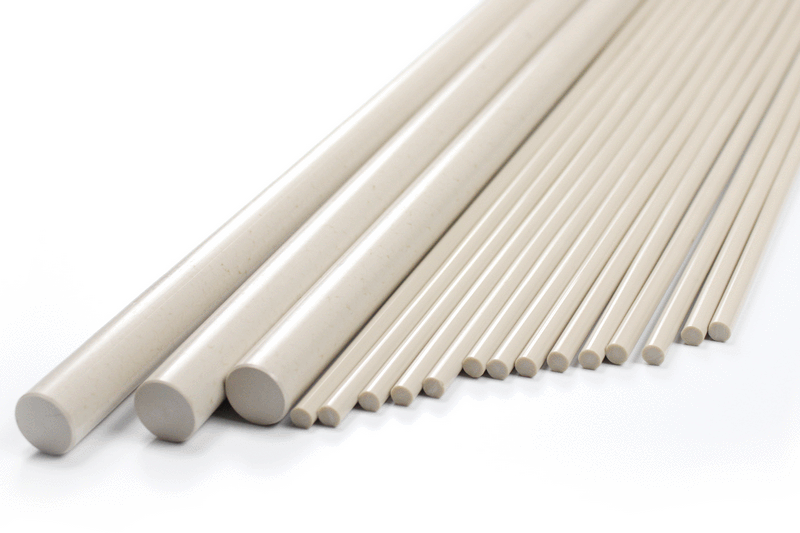
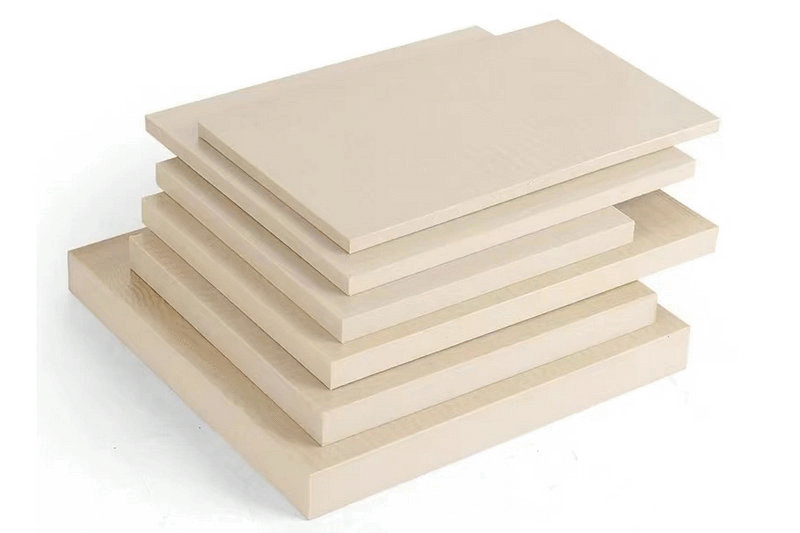
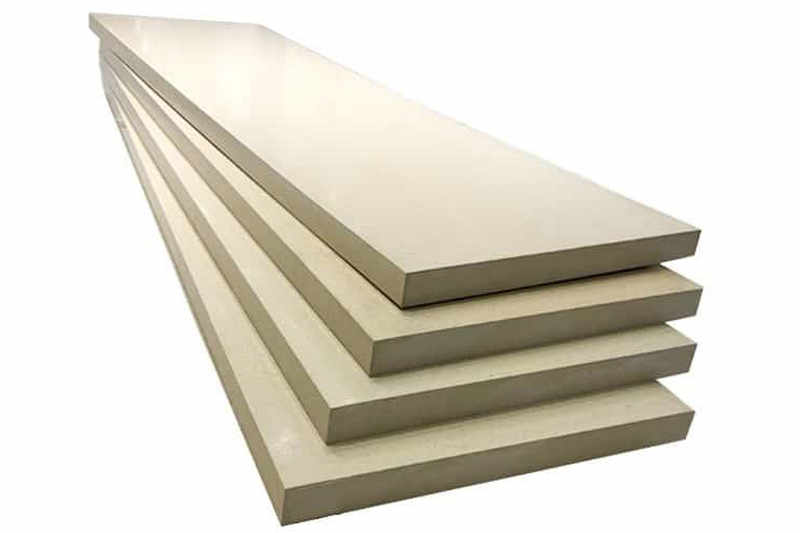
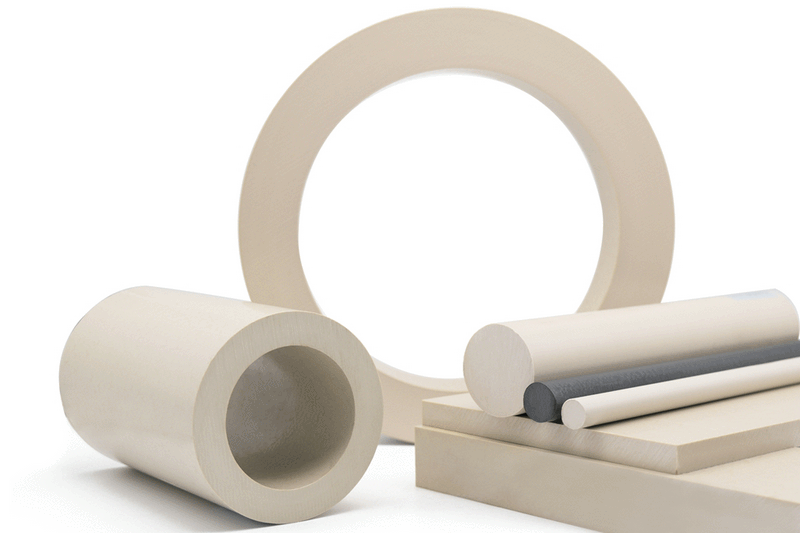
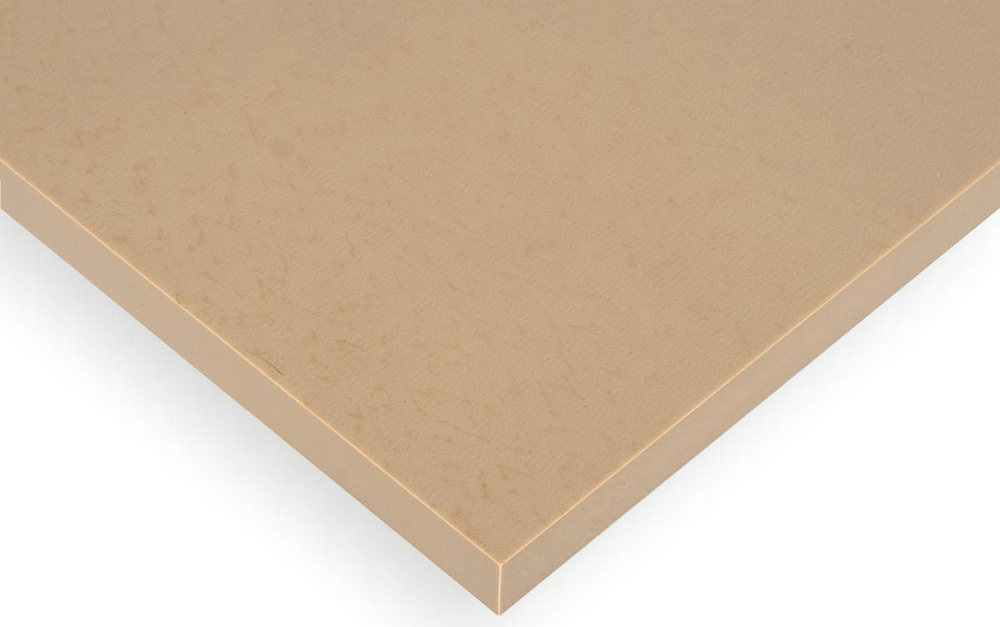
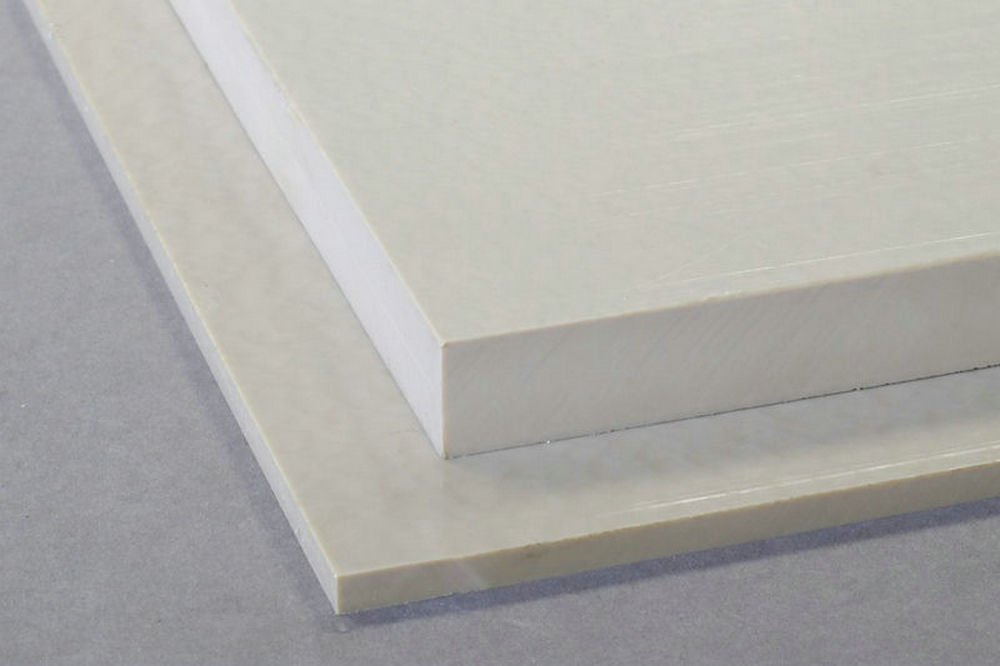
PEEK Sheets (Polyether Ether Ketone Sheets) are high-performance thermoplastic sheets made from PEEK (Polyether Ether Ketone), a semi-crystalline engineering polymer known for its outstanding mechanical, thermal, and chemical properties. Manufactured via compression molding or extrusion,PEEK sheets offer exceptional strength, high heat resistance, chemical inertness, and excellent wear resistance, making them an ideal material for demanding applications across multiple industries, including aerospace, medical, automotive, and industrial sectors.
PEEK sheets maintain their structural integrity and superior performance in extreme environments, making them one of the most sought-after high-performance thermoplastic materials.
Key Features:
-High-Temperature Resistance – Continuous service temperature of up to 260°C (500°F), with short-term exposure capability up to 300°C (572°F).
-Exceptional Mechanical Strength – Offers high tensile strength, stiffness, and dimensional stability.
-Excellent Chemical Resistance – Resistant to a wide range of chemicals, acids, and solvents, including hydrocarbons, strong bases, and organic solvents.
-Superior Wear & Friction Resistance – Ideal for tribological applications (low wear, low friction).
-Outstanding Hydrolysis Resistance – Can withstand high-pressure steam and hot water without degrading, making it suitable for autoclave sterilization in medical applications.
-High Radiation Resistance – Exceptional resistance to gamma rays, X-rays, and UV exposure, making it ideal for medical and aerospace applications.
-Good Electrical Insulation Properties – Performs well in high-voltage insulation applications.
-Flame Retardant & Low Smoke Emission – Naturally self-extinguishing without the need for additional flame retardant additives (UL94 V-0 rating).
-Lightweight Alternative to Metals – Provides an excellent strength-to-weight ratio, reducing overall component weight in automotive and aerospace industries.
-Biocompatible & FDA Approved Grades – Suitable for food contact applications and medical implants.
Types:
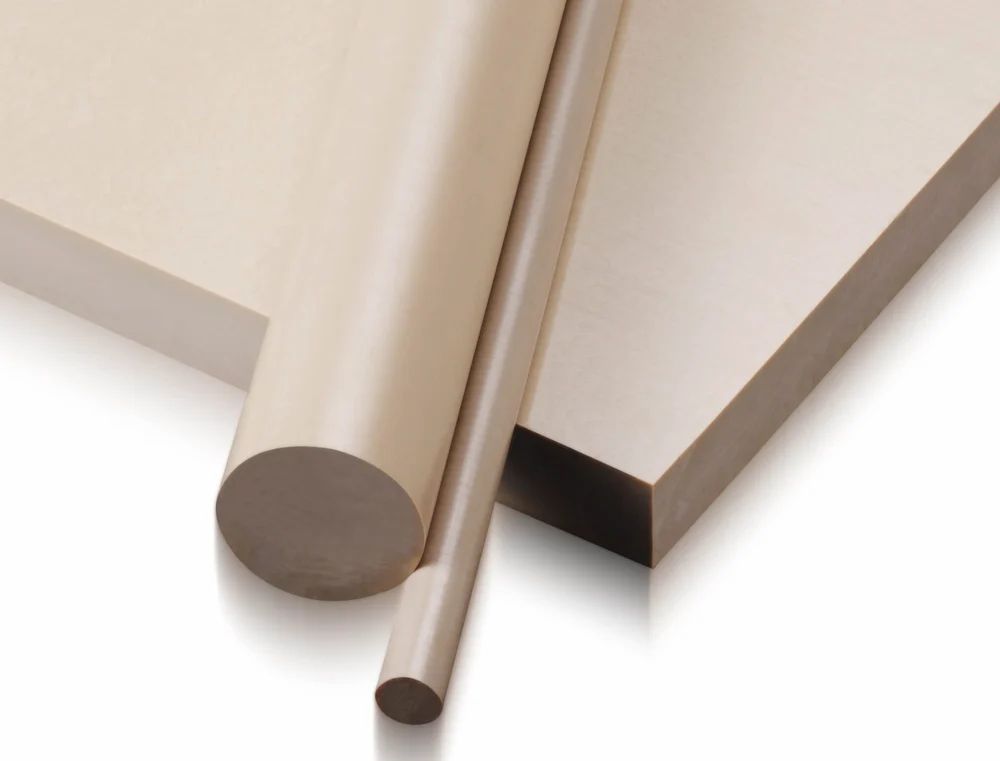
PEEK sheets are available in different formulations to meet varying application requirements:
(1) Virgin PEEK Sheets (Unfilled PEEK)
Made from pure PEEK resin without any fillers or additives.
Excellent balance of mechanical, thermal, and chemical properties.
Suitable for medical, food, and general engineering applications.
(2) Glass-Filled PEEK Sheets
Contains 30% glass fiber reinforcement to enhance strength, rigidity, and dimensional stability.
Less flexible than virgin PEEK but stronger and more resistant to deformation.
Commonly used in structural and load-bearing applications.
(3) Carbon-Filled PEEK Sheets
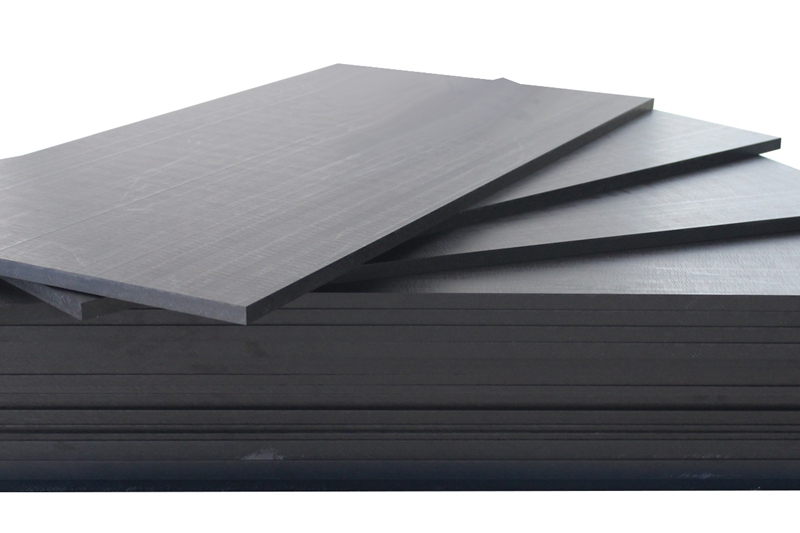
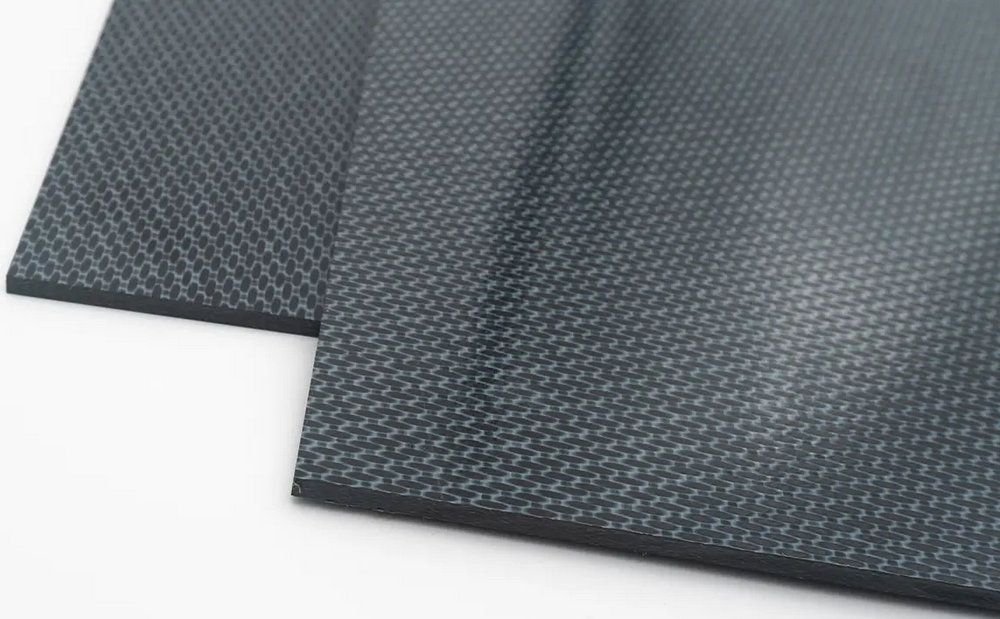
Reinforced with carbon fibers (typically 30%), providing higher stiffness, wear resistance, and reduced coefficient of friction.
Ideal for high-load, high-friction applications such as bearings, bushings, and sliding components.
(4) PTFE-Filled PEEK Sheets
Blended with PTFE (Polytetrafluoroethylene) to improve lubrication and wear resistance.
Used in tribological (friction and wear) applications, such as seals and sliding components.
(5) Conductive & ESD-Safe PEEK Sheets
Formulated with carbon or other conductive fillers for electrical conductivity and electrostatic discharge (ESD) protection.
Suitable for electronics, semiconductor, and aerospace industries.
Technical Parameters:
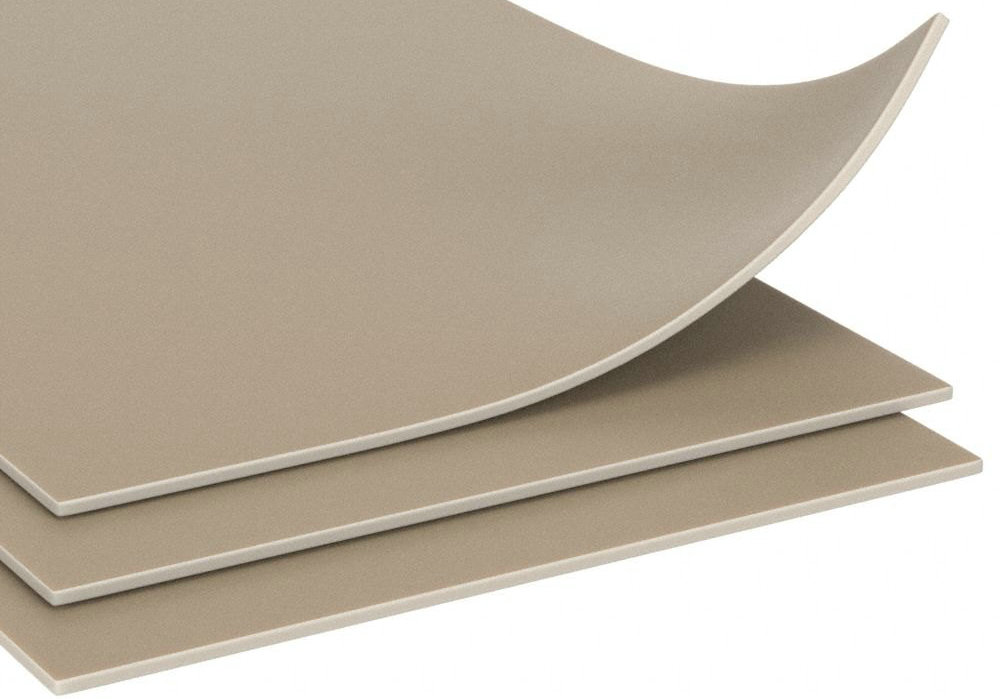
The following table summarizes key technical specifications of PEEK sheets:
Property | Value / Range | Description |
Density | ~1.30 – 1.32 g/cm³ | Lightweight compared to metals. |
Tensile Strength | ~90 – 100 MPa | High mechanical strength. |
Flexural Strength | ~150 MPa | Resistant to bending and flexing forces. |
Elongation at Break | ~20 – 50% | Good toughness and flexibility. |
Hardness | ~85 Shore D | High surface hardness. |
Thermal Conductivity | ~0.25 W/m·K | Good insulation properties. |
Glass Transition Temp. | ~143°C | Transition to a soft phase. |
Melting Point | ~343°C | High thermal resistance. |
Continuous Use Temp. | ~260°C (500°F) | Operates in extreme temperatures. |
Flammability Rating | UL94 V-0 | Self-extinguishing and low smoke emission. |
Water Absorption | <0.5% | Low moisture absorption, excellent dimensional stability. |
Radiation Resistance | Excellent | Can withstand high doses of gamma radiation. |
Product Benefits:
High Temperature Stability: Operates in extreme heat conditions.
Excellent Chemical & Hydrolysis Resistance: Resists aggressive chemicals and high-pressure steam.
Exceptional Wear & Friction Properties: Suitable for dynamic mechanical parts.
Low Smoke & Toxicity: Ideal for aerospace and medical applications.
Sterilization & Biocompatibility: Used in food, medical, and pharmaceutical industries.
Weight Reduction: Lighter than metals but retains excellent mechanical properties.
Excellent Electrical Insulation: Preferred material in electrical applications.
Their smooth, non-porous surface is easy to clean, resistant to staining, and does not harbor bacteria, making them ideal for hygienic applications.
Applications:
PEEK sheets are utilized across multiple industries for high-performance applications:
-Aerospace & Defense: Aircraft components, engine parts, structural reinforcements.
-Medical & Healthcare: Surgical instruments, orthopedic implants, sterilization trays.
-Electronics & Semiconductor: Insulating components, circuit board supports, connectors.
-Automotive & Motorsport: Lightweight engine components, bearings, gears, and seals.
-Industrial Equipment: High-wear parts, gears, rollers, and valves.
-Food Processing & Packaging: FDA-approved PEEK sheets for hygienic applications.
Storage & Handling:
-Environment: Store in a dry, cool place (15–25°C) with humidity <50%.
-UV Protection: Shield from direct sunlight to prevent surface degradation.
-Packaging: Vacuum-seal or use desiccant packs to minimize moisture absorption.
-Stacking: Lay flat on pallets; avoid vertical stacking to prevent warping.
-Shelf Life: Indefinite if stored properly; no chemical degradation.
FAQ
Q1: What makes PEEK better than other plastics?
A: PEEK offers superior mechanical strength, high heat resistance, and exceptional chemical resistance, making it more durable than standard engineering plastics like Nylon, ABS, or Polycarbonate.
Q2: Can PEEK sheets replace metals in applications?
A: Yes. PEEK sheets are commonly used as metal replacements in automotive, aerospace, and industrial applications due to their strength-to-weight ratio, corrosion resistance, and machinability.
Q3: Can PEEK be sterilized?
A: Yes, PEEK is highly resistant to sterilization methods like autoclaving, gamma radiation, and ethylene oxide sterilization.
Q4: What’s the difference between Virgin PEEK and filled PEEK?
A: Virgin PEEK has a balanced property set, while filled grades (glass, carbon, PTFE, etc.) enhance specific properties like strength, wear resistance, or conductivity.
Q5: How does PEEK compare to PTFE (Teflon)?
A: PEEK has higher strength, thermal resistance, and wear resistance but lower chemical resistance to strong acids.
Q6: Does PEEK absorb moisture?
A: Minimal (0.1–0.5% for unfilled grades), but pre-dry at 150°C for 3–4 hours before high-precision machining.
Q7: Can PEEK be bonded or welded?
A: Yes—use epoxy adhesives or ultrasonic welding. Surface treatment (plasma) improves adhesion.
Q8: Is PEEK UV-resistant?
A: Unfilled grades degrade outdoors; UV-stabilized variants are available.
Q9: What is the difference among PEEK, PTFE, PEI and Aluminum?
A: Please refer to the matrix below:
Aspect | PEEK | PTFE | PEI (Ultem) | Aluminum |
Max Temp | 250°C | 260°C | 170°C | 200°C (softens) |
Tensile Strength | 90–170 MPa | 20–35 MPa | 110 MPa | 270–310 MPa |
Chemical Resistance | Excellent (except conc. sulfuric acid) | Exceptional | Moderate | Poor (corrodes) |
Weight | 1.3–1.5 g/cm³ | 2.1–2.3 g/cm³ | 1.27 g/cm³ | 2.7 g/cm³ |
Cost | $$$$ | $$$ | $$$ | $$ |
- PRE: No more
- NEXT: 90300 PEEK Rods