





Details
Functional Positioning and Target Users
Designed for engineers, procurement managers, and manufacturers requiring durable, lightweight panel
solutions, these acrylic sheets serve as reliable alternatives to glass. Our clear acrylic sheets and colored
variants meet rigorous commercial standards, supporting visualization and protection needs across
multiple sectors. Whether fabricating machine guards or architectural features, users benefit from versatile
acrylic plastic sheets tailored to customized specifications, facilitating integration into complex assembly
lines or infrastructure projects.
Technical Features and Measurable Specifications
These acrylic sheets exhibit up to 92% light transmittance, surpassing glass clarity, combined with a density
of approximately 1.18 to 1.20 g/cm³, maintaining lightweight characteristics—about 50% less than glass.
Impact strength values range from 10 to 17 times that of conventional glass, ensuring enhanced durability.
The material supports formability via thermoforming and laser cutting while offering UV resistance to prevent
degradation. Options include high-impact, UV-resistant, and FDA-approved grades, providing material
performance assurances critical for precision engineering applications.
Industry Applications and Real-World Value
Used extensively in architectural glazing, protective barriers, signage, and automotive components, these
custom acrylic sheets enhance product lifecycle and operational safety. The adaptability of colored acrylic
sheets extends to decorative panels and retail fixtures, delivering on both functional and aesthetic demands.
In medical and food-contact environments, FDA-compliant options assure regulatory compliance. The
combination of performance, recyclability, and design flexibility supports system-wide efficiency
improvements across manufacturing, construction, and healthcare industries.
ACRYLIC SHEETS
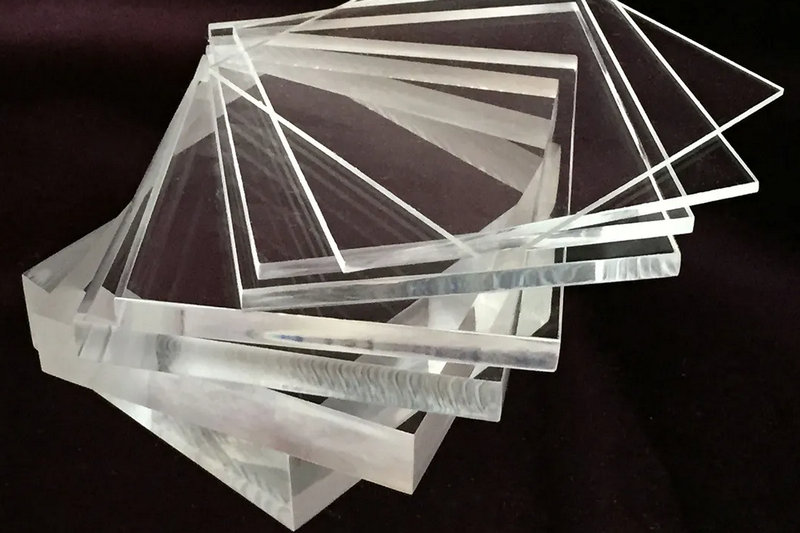
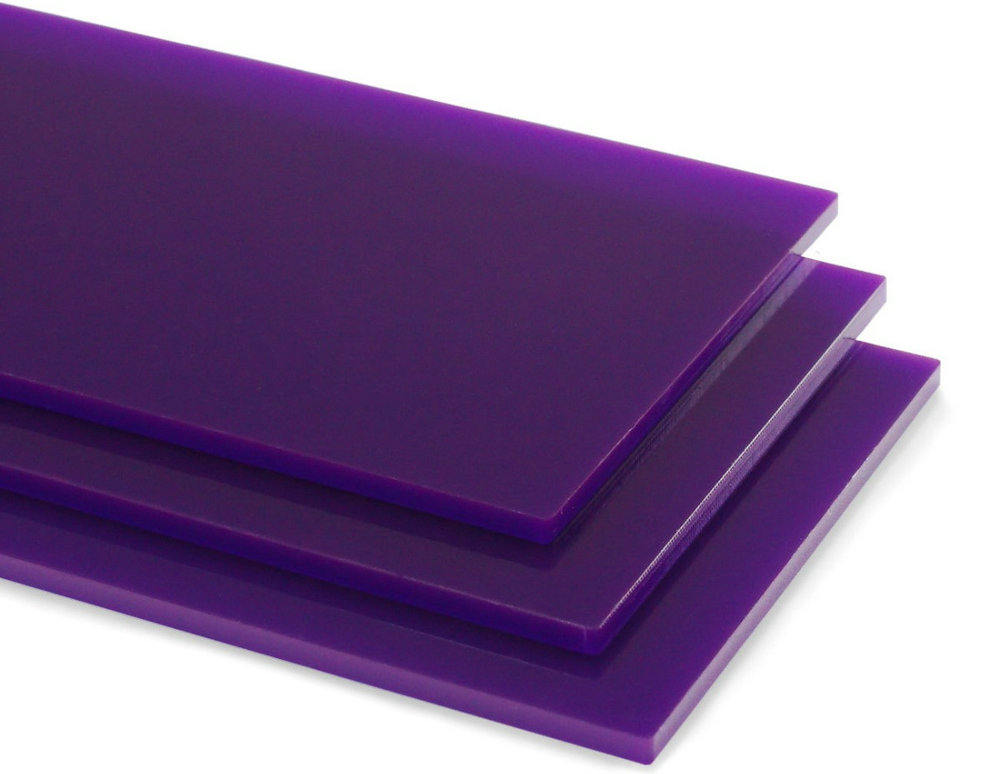
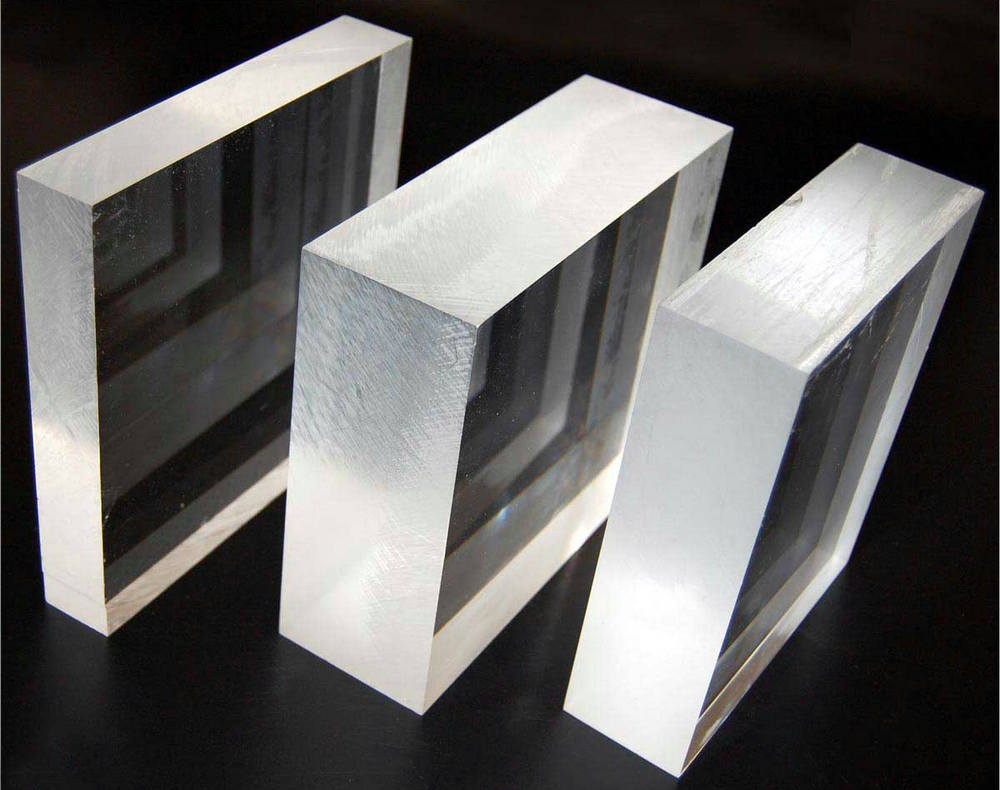
Acrylic sheets, also known as PMMA sheets (Polymethyl Methacrylate sheets), are transparent thermoplastic sheets that serve as a lightweight, shatter-resistant alternative to glass. They are manufactured through polymerization of methyl methacrylate monomers. Acrylic is known for its exceptional optical clarity, weather resistance, durability, and ease of fabrication.
Acrylic sheets are widely used in signage, display panels, windows, lighting fixtures, protective barriers, and furniture due to their versatile properties and aesthetic appeal. They come in various colors, finishes, and thicknesses to meet different application needs.
Key Features:
Outstanding Optical Clarity – Up to 92% light transmittance, clearer than glass.
Lightweight – 50% lighter than glass (density: 1.18–1.20 g/cm³), making handling and installation easier.
Shatter-Resistant – High impact resistance, 10 times stronger than glass.
UV & Weather Resistance – Excellent outdoor durability without yellowing (-40°C to +90°C).
Easy to Cut & Fabricate – Can be cut, drilled, glued, thermoformed, and laser-cut.
Scratch-Resistant Options – Hard-coated acrylic improves surface hardness.
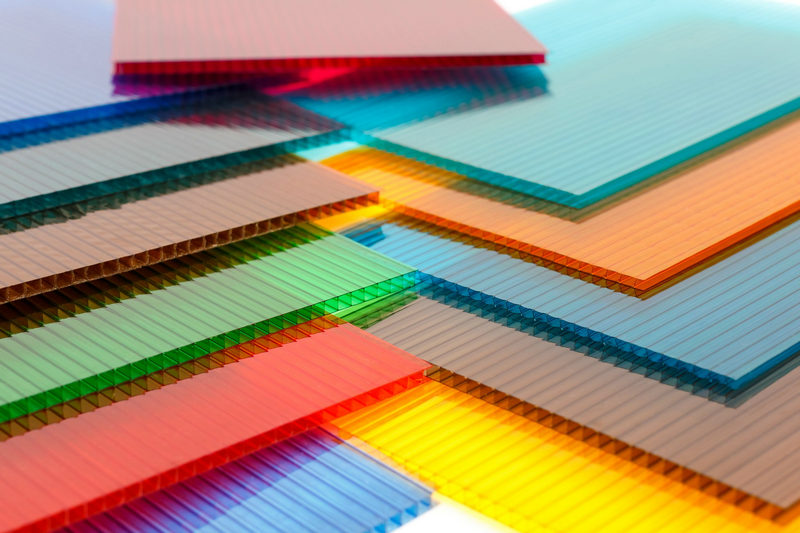
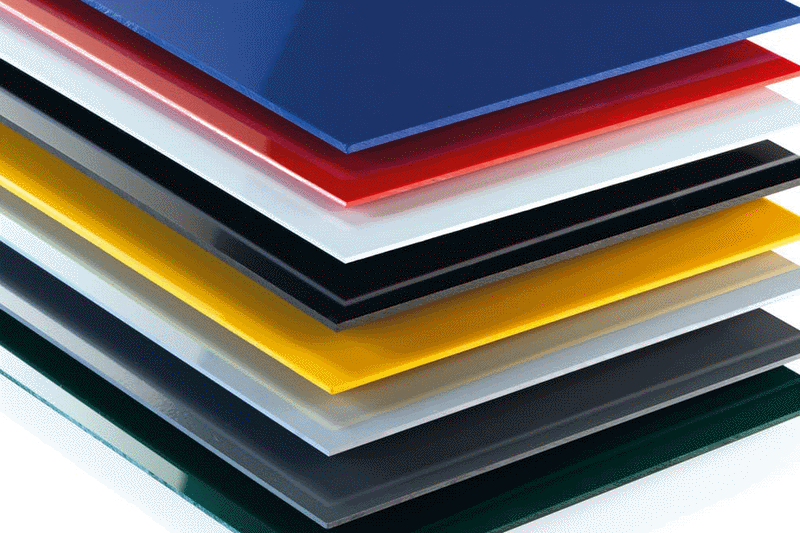
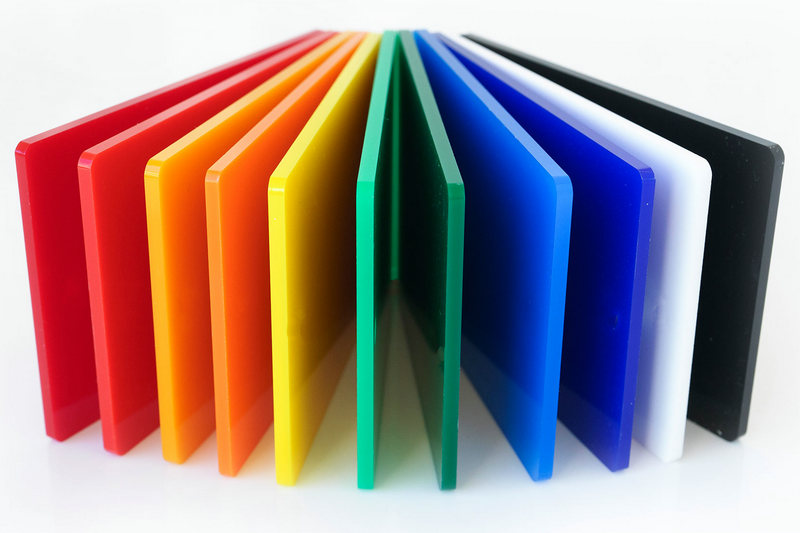
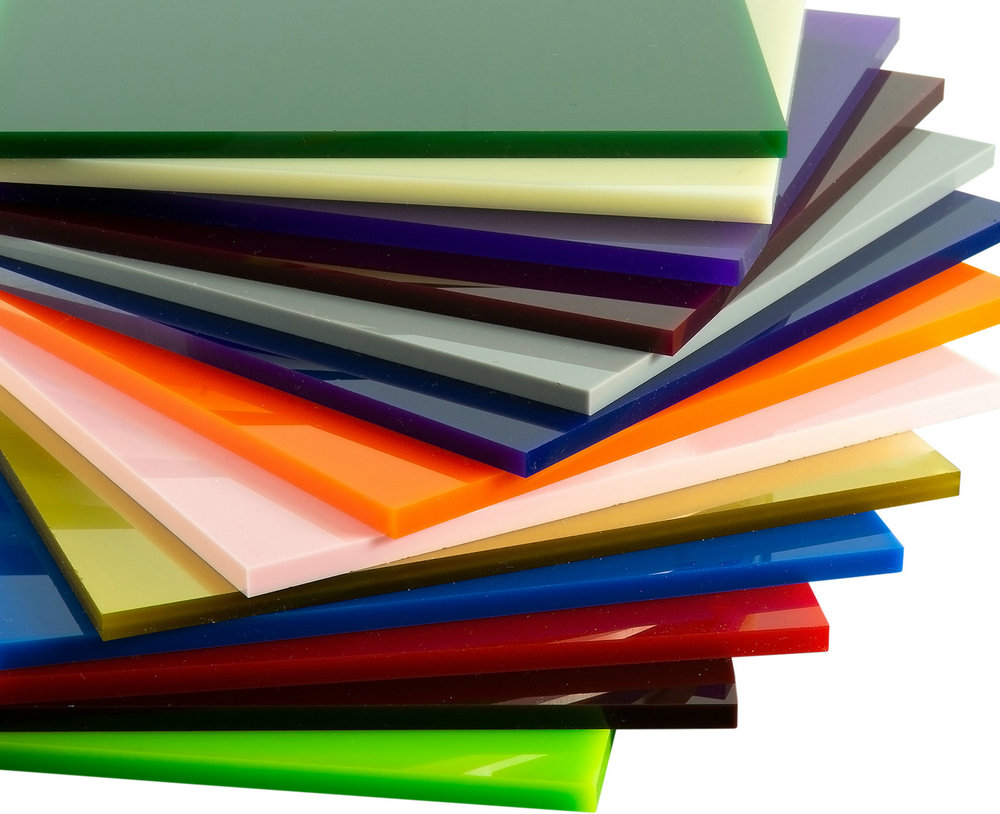
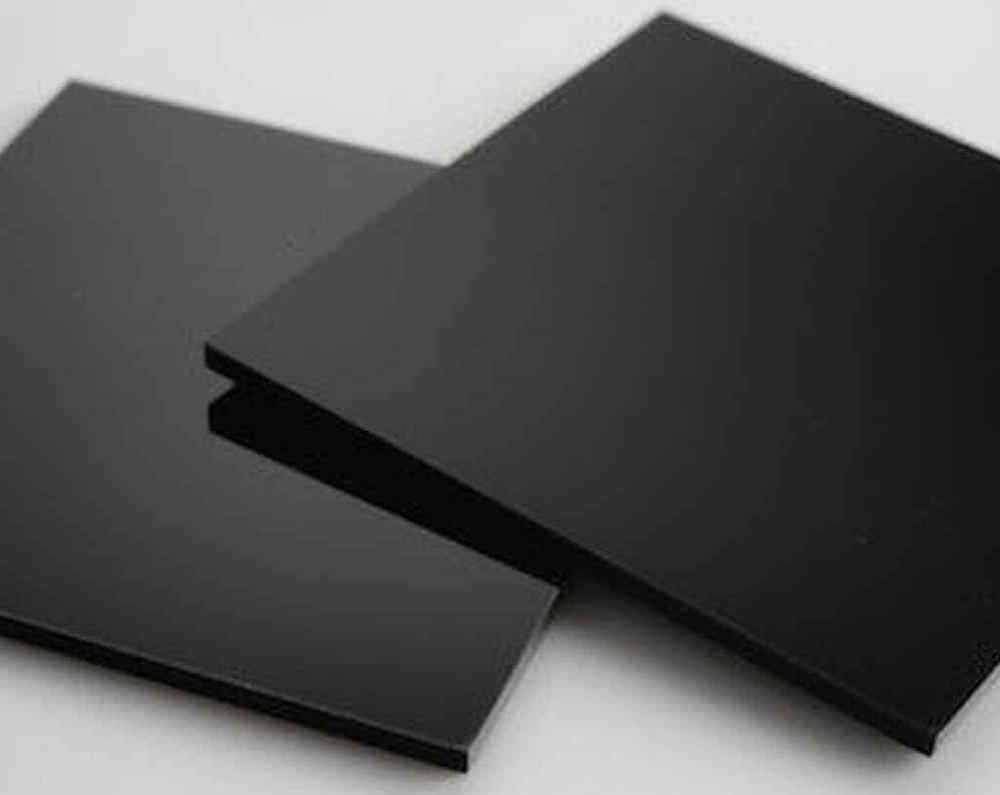
Variety of Colors & Finishes – Available in clear, frosted, tinted, mirrored, and colored versions.
Chemical & Corrosion Resistance – Resistant to mild chemicals, acids, and cleaning agents.
Food-Safe & Non-Toxic – Available in FDA-approved grades for food-contact applications.
Recyclable & Environmentally Friendly – Can be reused and repurposed for sustainability.
Types:
Acrylic sheets are available in different grades, colors, and surface finishes to meet specific needs:
(1) Cast Acrylic Sheets
Superior optical clarity, strength, and chemical resistance.
Better scratch resistance compared to extruded acrylic.
Ideal for high-end displays, signage, aquariums, and furniture.
(2) Extruded Acrylic Sheets
More cost-effective and easier to cut and shape.
Slightly lower clarity and impact resistance than cast acrylic.
Used in protective barriers, signage, and general-purpose applications.
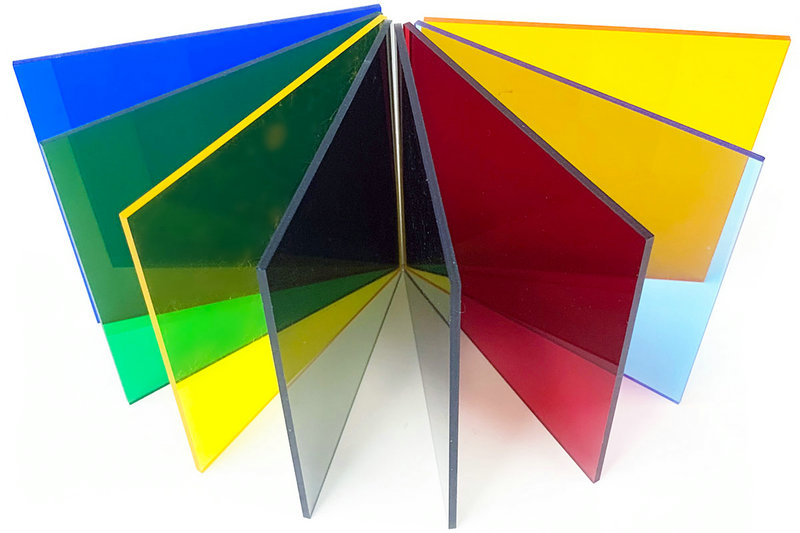
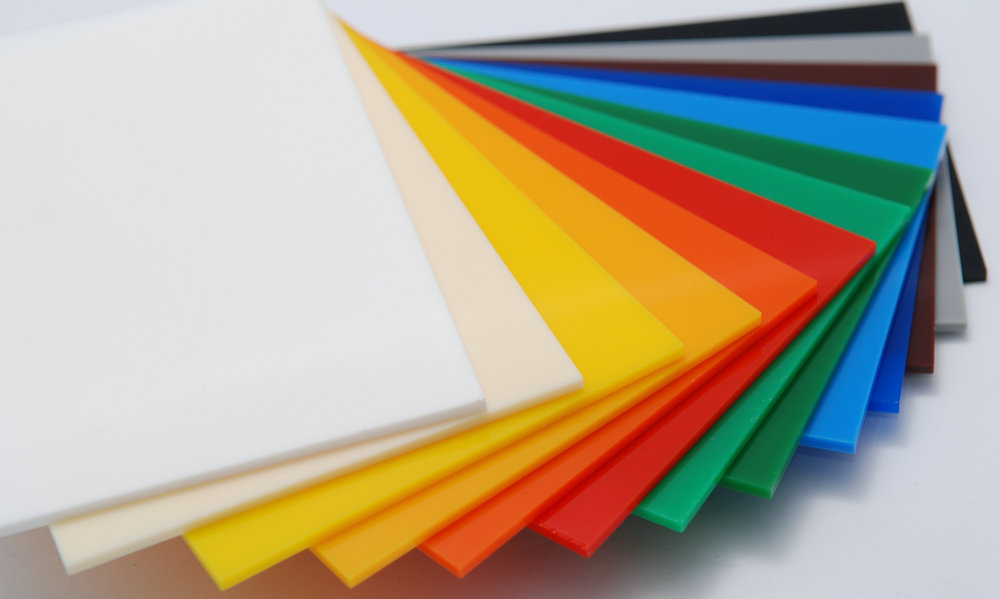
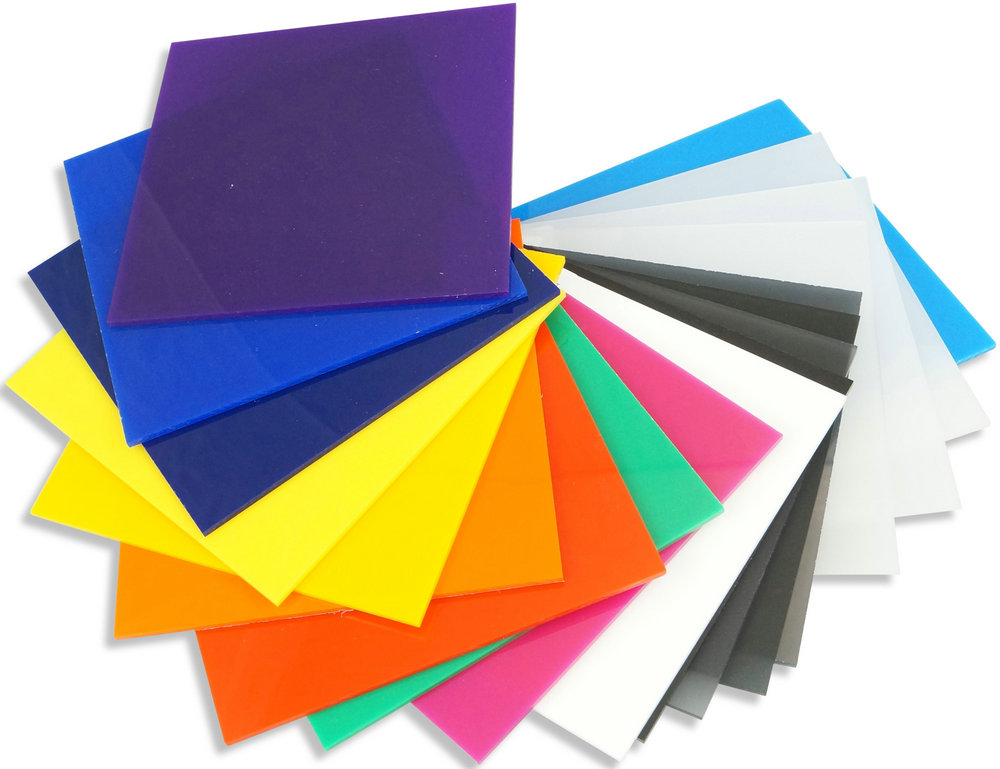
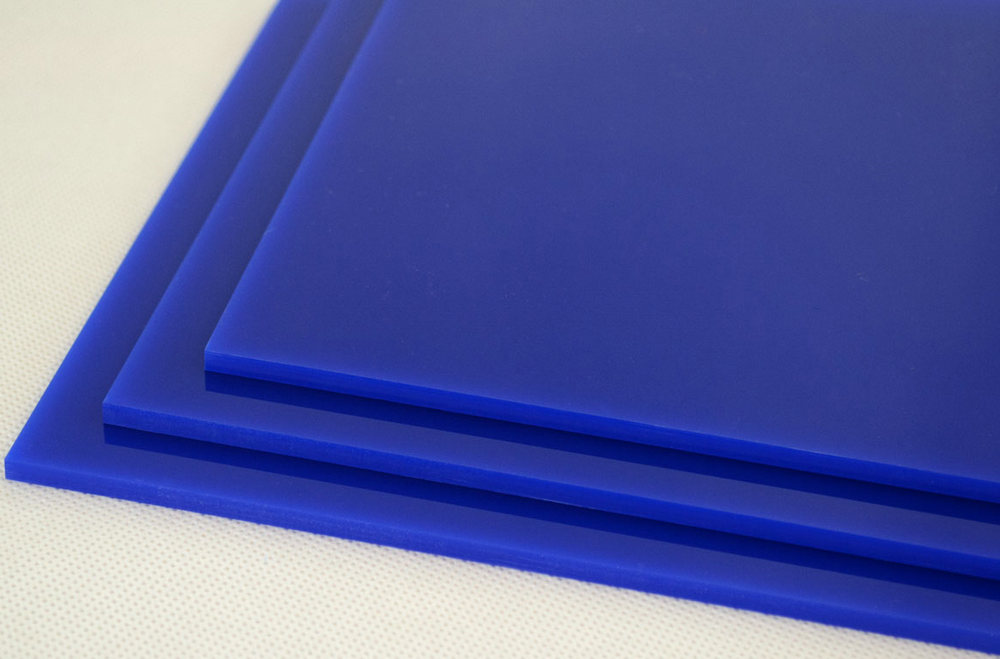
(3) Colored & Tinted Acrylic Sheets
Available in various colors and shades.
Provides decorative and aesthetic appeal for design applications.
Used in advertising, displays, and interior design.
(4) Frosted Acrylic Sheets
Soft, diffused appearance to reduce glare and reflection.
Used in privacy panels, partitions, and decorative elements.
(5) Mirrored Acrylic Sheets
Lightweight alternative to glass mirrors.
Used in decorative displays, gym mirrors, and automotive applications.
(6) Anti-Glare Acrylic Sheets
Specially designed to reduce reflections under strong lighting.
Used in picture frames, display cases, and outdoor signage.
(7) UV-Resistant Acrylic Sheets
Enhanced UV protection for prolonged outdoor use.
Prevents yellowing and degradation from sunlight exposure.
Used in skylights, greenhouses, and architectural glazing.
(8) High-Impact Acrylic Sheets
Modified for superior impact resistance (up to 17 times stronger than glass).
Used in security windows, machine guards, and protective shields.
(9) Light Diffusing Acrylic Sheets
Specially designed for lighting applications.
Provides even light distribution without hotspots.
Used in LED displays, light panels, and illuminated signs.
Technical Parameters:
The following table summarizes key technical specifications of some types of Acrylic Sheets:
Property | Value / Range | Description |
Density | ~1.19 g/cm³ | Lightweight compared to glass. |
Light Transmittance | ~92% | Higher clarity than glass. |
Impact Strength | ~10-17 times stronger than glass | Shatter-resistant. |
Hardness | ~M85 (Rockwell) | Scratch-resistant versions available. |
Thermal Conductivity | ~0.19 W/m·K | Low heat conductivity, good insulator. |
Service Temperature | ~-40°C to 85°C | Can withstand temperature fluctuations. |
Melting Point | ~160°C | Thermoformable at high temperatures. |
UV Resistance | Excellent (with UV-stable grades) | Suitable for outdoor use. |
Water Absorption | ~0.3% (24h at 23°C) | Low moisture absorption, good dimensional stability. |
Flammability Rating | UL94 HB | Self-extinguishing in flame. |
Chemical Resistance | Good resistance to mild acids and bases | Avoid prolonged exposure to strong solvents. |
Product Benefits:
Safer Than Glass – Impact-resistant and shatterproof, reducing injury risks.
Lightweight & Easy to Install – 50% lighter than glass, making handling easier.
Long-Lasting & Weather-Resistant – Suitable for indoor and outdoor use.
Customizable & Fabrication-Friendly – Can be cut, bent, laser-cut, engraved, and shaped.
Energy Efficient – Acts as a good insulator, reducing energy costs in buildings.
UV & Chemical Resistant – Can withstand harsh environments without degradation.
Variety of Finishes & Colors – Enhances design possibilities and aesthetic appeal.
Cost-Effective: Cheaper than polycarbonate and glass.
Applications:
--Industrial & Commercial Applications
Protective barriers and machine guards.
Skylights, roofing panels, and sound barriers.
Security glazing for banks and high-risk areas.
--Retail & Advertising
Signage, lightboxes, and LED displays.
Store fixtures and point-of-sale displays.
Exhibition stands and advertising boards.
--Home & Interior Design
Wall partitions, furniture panels, and kitchen backsplashes.
Glass replacements for windows, doors, and shower enclosures.
Aquariums and terrariums.
--Medical & Healthcare
Medical shields and barriers.
Dental and hospital equipment enclosures.
--Automotive & Transportation
Car windows, motorcycle windshields, and aircraft glazing.
Headlight covers and instrument panels.
--Electronics & Lighting
Diffuser panels for LED lighting.
Protective covers for touchscreens and displays.
Storage & Handling:
Store in a Dry, Cool Place – Avoid moisture and extreme temperatures.
Keep Covered to Prevent Scratches – Use protective film or soft cloth.
Avoid Prolonged Sun Exposure – Use UV-resistant grades for outdoor applications.
Handle with Care – Avoid dropping or placing heavy objects on the sheets.
FAQ
Q1: Are acrylic sheets stronger than glass?
A: Yes, acrylic sheets are 10-17 times stronger than glass while being 50% lighter.
Q2: Can acrylic sheets be laser-cut?
A: Yes, acrylic is perfect for laser cutting, engraving, and CNC machining.
Q3: Is acrylic scratch-resistant?
A: Standard acrylic is prone to scratches, but hard-coated acrylic improves scratch resistance.
Q4: How do you clean acrylic sheets?
A: Use a soft cloth and mild soap. Avoid ammonia-based cleaners (like Windex), which can cause damage.
Q5: Can acrylic sheets be bent or shaped?
A: Yes—use a strip heater or oven (heated to 150–160°C) for thermoforming.
Q6: Is acrylic better than polycarbonate?
A: Acrylic offers better clarity and scratch resistance, while polycarbonate has higher impact strength (250x stronger than glass).
Q7: What’s the difference between cast and extruded acrylic?
A: Cast acrylic has better optical quality and machinability; extruded is cheaper and better for thermoforming.
Q8: Is acrylic recyclable?
A: Yes, but recycling facilities are limited. Look for PMMA-specific recyclers.
Q9: How thick can acrylic sheets be?
A: Standard thicknesses range from 0.5mm to 25mm; custom orders can go up to 100mm.
- PRE: No more
- NEXT: 20300 Acrylic Rods