






Details
Functional Positioning in Industrial Material Systems
Phenolic cotton sheets serve as robust thermoset laminates designed primarily for engineers and
procurement managers seeking materials with superior mechanical strength and thermal resistance.
These sheets provide a cost-effective option reinforcing structural components where wear resistance
and moderate electrical insulation are critical. Our manufacturing processes align well with usage
scenarios involving integration alongside custom acrylic sheets or colored acrylic sheets, offering
a complementary performance balance in layered or hybrid assemblies used in industrial
production and machine fabrication.
Technical Composition and Measurable Performance Metrics
These phenolic cotton sheets are fabricated through a controlled impregnation of woven cotton
fabric with phenolic resin under high pressure and temperature conditions, resulting in a dense
product with tensile strengths between 80–120 MPa and flexural strengths up to 180 MPa. Their
heat resistance extends for continuous usage up to 140°C, with dielectric strength ranging from
8 to 12 kV/mm. With densities spanning 1.3 to 1.45 g/cm³, these laminates ensure dimensional
stability and maintain abrasion resistance, qualities that are essential when combined with
clear acrylic sheets or wholesale acrylic sheets for applications requiring both electrical
insulation and mechanical endurance.
Industry Sectors and Practical Integration
Widely employed in manufacturing mechanical components such as gears, bushings, and
insulation parts for switchgear, phenolic cotton sheets provide durability under friction and
thermal strain. They align well with sectors including automotive, marine, and heavy
equipment manufacturing, often incorporated into complex assemblies together with custom
acrylic sheets or acrylic plastic sheets to achieve layered performance specifications. Their
machinability allows seamless adaptation into electrical insulation or structural components,
offering enhanced reliability in industrial fixtures, jigs, and other engineered systems demanding
wear resistance and chemical stability.
PHENOLIC COTTON CLOTH LAMINATED SHEETS
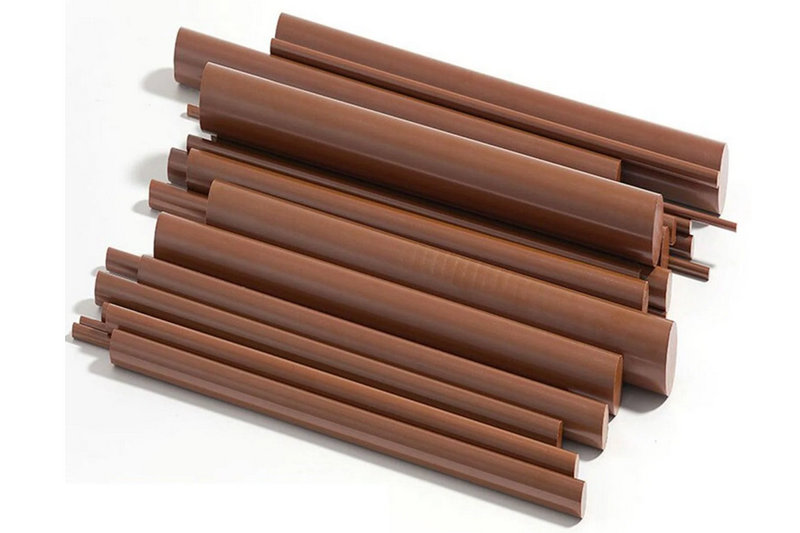
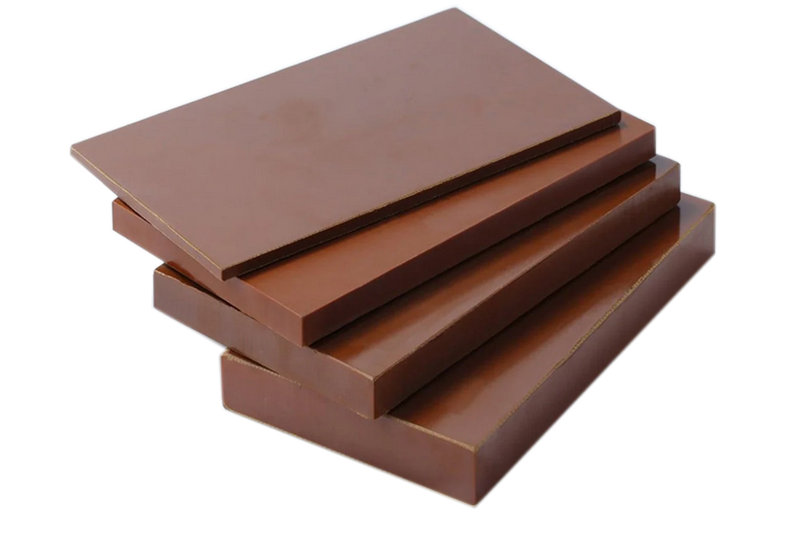
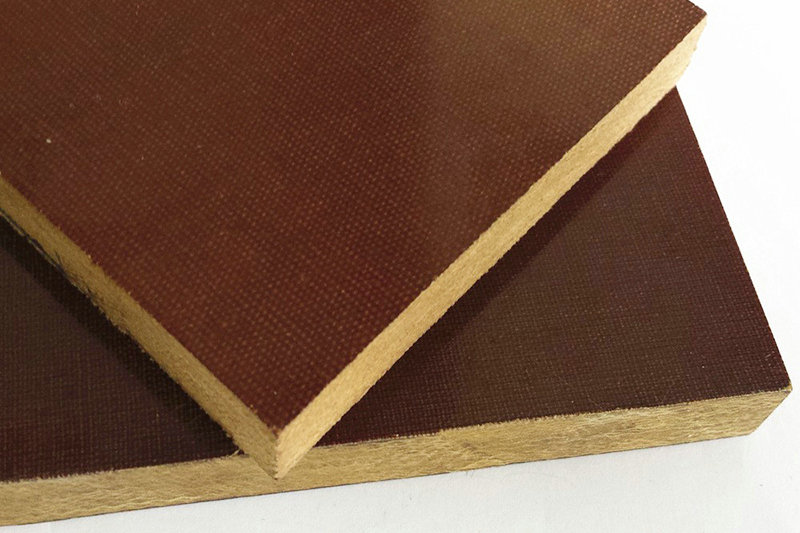
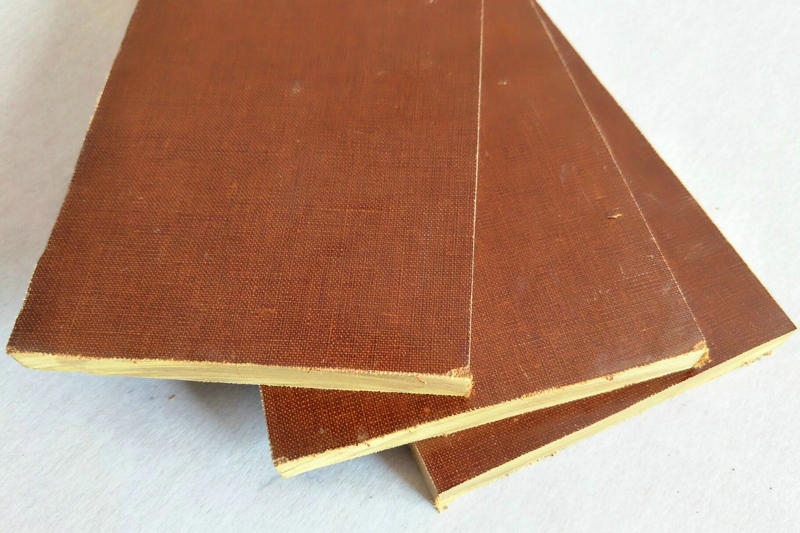
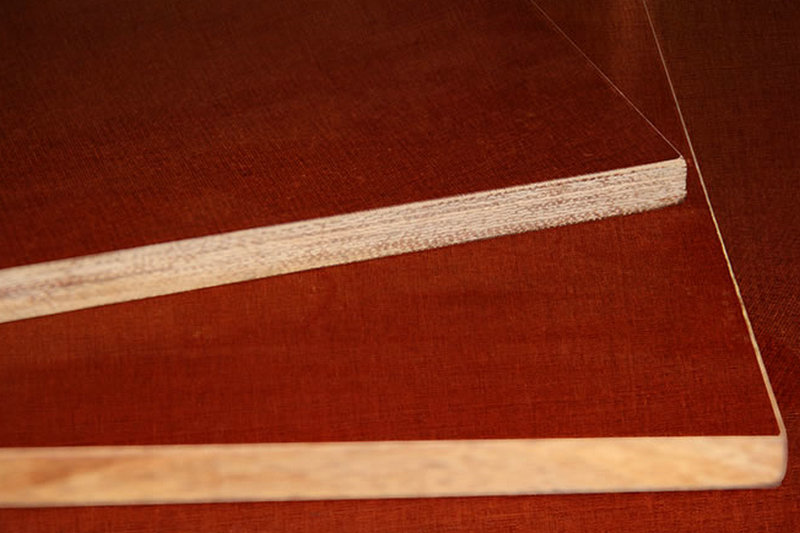
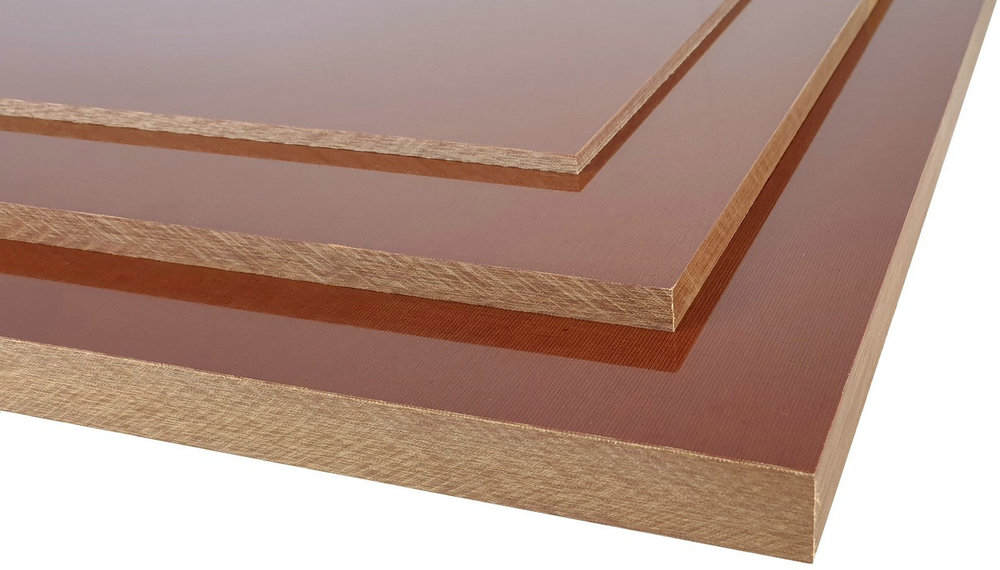
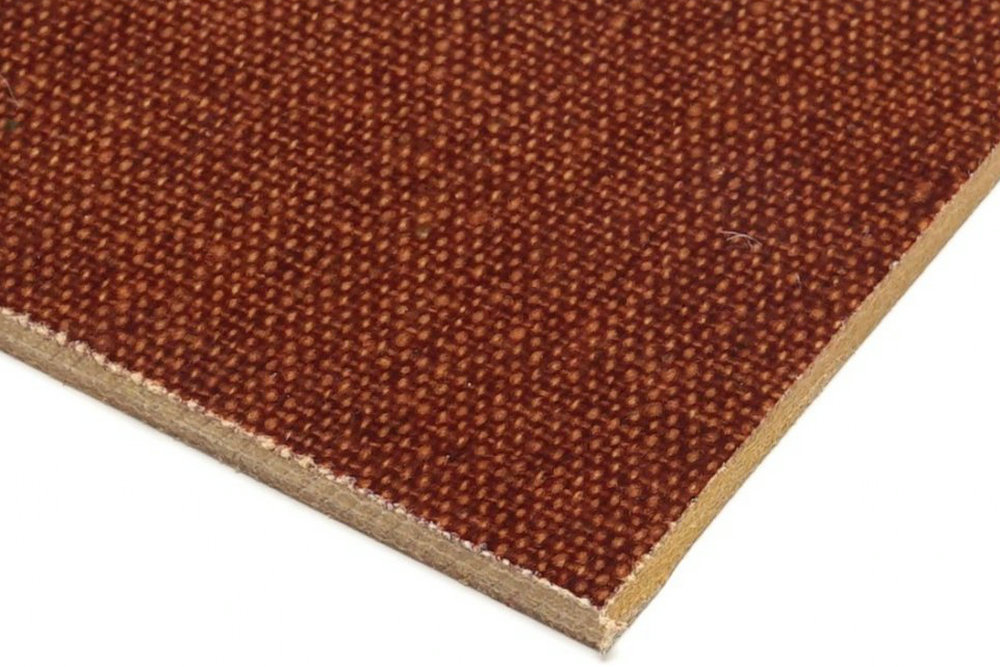
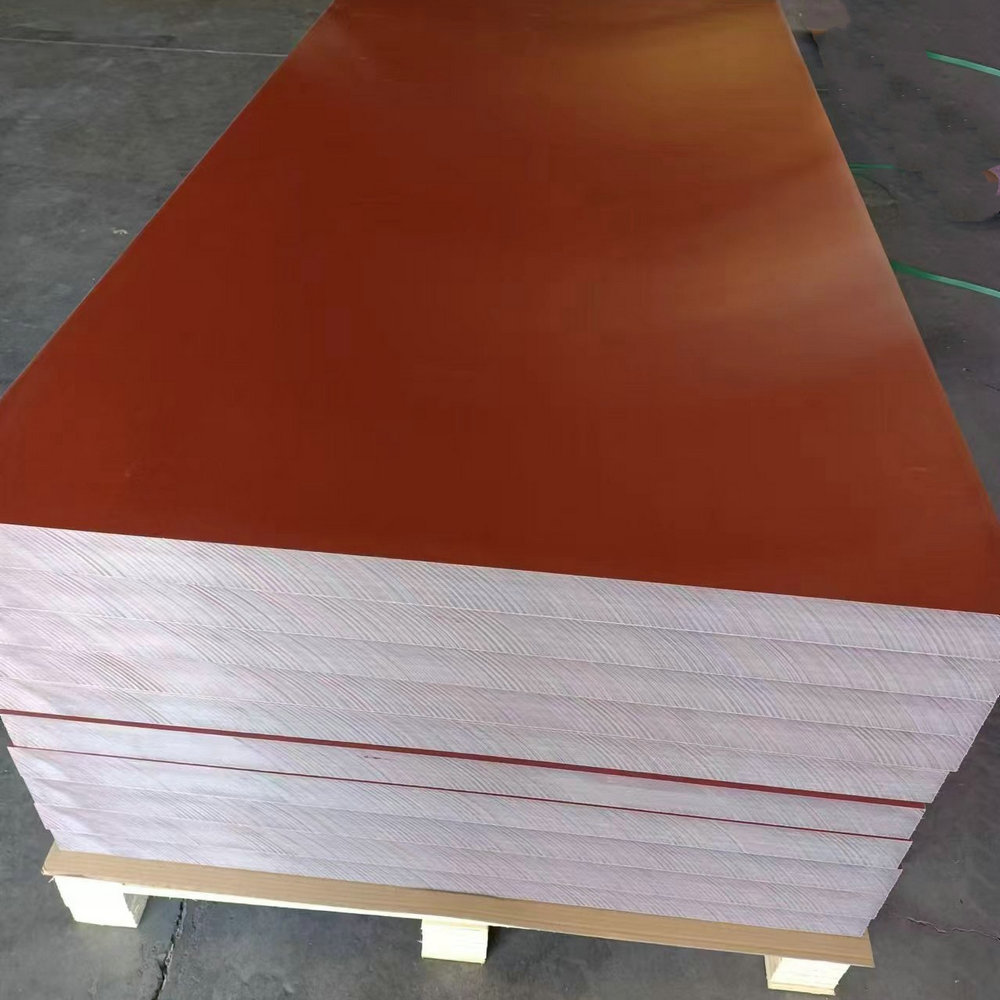
Phenolic Cotton Cloth Laminated Sheets (Textolite) are high-performance thermoset laminates produced by impregnating layers of woven cotton fabric (cotton cloth) with phenolic resin. Under high temperature and pressure, these layers fuse into a rigid, dense sheet. The woven cotton reinforcement provides excellent mechanical strength, wear resistance, and impact resistance, while the phenolic resin matrix imparts dimensional stability and chemical resistance.
Key Material Attributes:
Cotton Fabric Reinforcement: Enhances tensile, flexural, and impact strength.
Phenolic Resin Binder: Offers good heat resistance, electrical insulating properties, and chemical stability.
Phenolic cotton cloth laminated sheets are a staple in mechanical and electrical engineering applications, particularly where a strong, durable, and moderately insulating material is needed.
Key Features:
-High Mechanical Strength
The cotton reinforcement ensures superior impact, tensile, and flexural strength compared to many other thermoset laminates.
-Good Wear & Abrasion Resistance
Excellent for parts that undergo friction or repetitive motion.
-Moderate Electrical Insulation
Phenolic resins provide decent dielectric properties, making these sheets suitable for certain electrical insulation applications.
-Dimensional Stability
Maintains shape under a wide range of temperatures and environmental conditions.
-Heat Resistance
Operates reliably at temperatures up to 120–140°C.Can withstand elevated temperatures typical in industrial settings without significant deformation.
-Easy Machinability
Can be machined using standard tools (sawing, drilling, milling) to create custom components.
-Chemical Resistance
Resistant to many oils, greases, and mild chemicals, extending product life in harsh environments.
-Cost-Effective
Provides a balance of mechanical and electrical properties at a relatively economical price.
Technical Parameters:
The following table provides typical properties. Actual values may vary based on grade, manufacturing standards, and specific test methods.
Property | Typical Range/Value | Notes |
Density | 1.3 – 1.45 g/cm³ | Depends on resin content & fabric density |
Tensile Strength | 80 – 120 MPa | Measured in machine direction |
Flexural Strength | 120 – 180 MPa | Dependent on sheet thickness & weave type |
Compressive Strength | 200 – 300 MPa | Higher than many thermoplastics |
Impact Strength (Charpy) | 6 – 10 kJ/m² | Cotton reinforcement improves impact resistance |
Thermal Conductivity | ~0.3 W/m·K | Moderate insulating properties |
Temperature Resistance | Up to ~120 – 140°C (continuous) | Short-term exposures can be higher |
Dielectric Strength | ~8 – 12 kV/mm | Sufficient for moderate-voltage applications |
Water Absorption | 1.0 – 2.0% (24 hrs @ 23°C) | Cotton content absorbs some moisture |
Note: Specific grades (e.g., NEMA C, PFCC in some standards) can have slightly different properties.
Product Advantages:
-Robust Mechanical Performance
Ideal for mechanical parts subject to dynamic loads and wear.
-Balanced Electrical Insulation
Sufficient for many lower-voltage applications where G10/FR4 (glass-epoxy) might be excessive.
-Reduced Noise & Vibration
Cotton fabric structure can dampen noise better than harder materials like metals or glass-based laminates.
-Cost-Effectiveness
Typically more affordable than glass-fiber-based laminates and some engineered plastics while still offering good performance.
-Versatile Machining
Can be turned, milled, drilled, and tapped with relative ease, allowing for complex component fabrication.
-Chemical & Oil Resistance
Suitable for use in environments with lubricants, fuels, or mild acids/bases.
-Customizable: Available in tailored thicknesses, sizes, and finishes.
-Noise Reduction: Dampens vibrations in mechanical systems.
Applications:
Phenolic cotton cloth laminated sheets are widely used across multiple industries:
Mechanical Components: Gears, bearings, bushings, wear pads, jigs, and support blocks in machinery.
Electrical Equipment: Low- to medium-voltage insulating parts, switchgear components, coil supports, and terminal boards.
Automotive & Rail: Brake linings, clutch plates, or other friction components (in certain grades).
Marine & Heavy Equipment: Structural components that require toughness and moisture resistance.
Industrial Jigs & Fixtures: Work surfaces, assembly guides, or clamping fixtures that need durability and machinability.
Textile & Paper Mills: Components that experience repetitive friction and wear.
Construction: Decorative panels, partitions.
Consumer Goods: Handles, tea tray, kitchenware.
Storage & Handling:
-Storage Environment
Store in a dry, well-ventilated area away from direct sunlight. High humidity can increase moisture absorption over time.
-Temperature Control
Keep sheets in a stable temperature environment (ideally 10–30°C). Extreme fluctuations may lead to dimensional changes.
-Flat & Supported Stacking
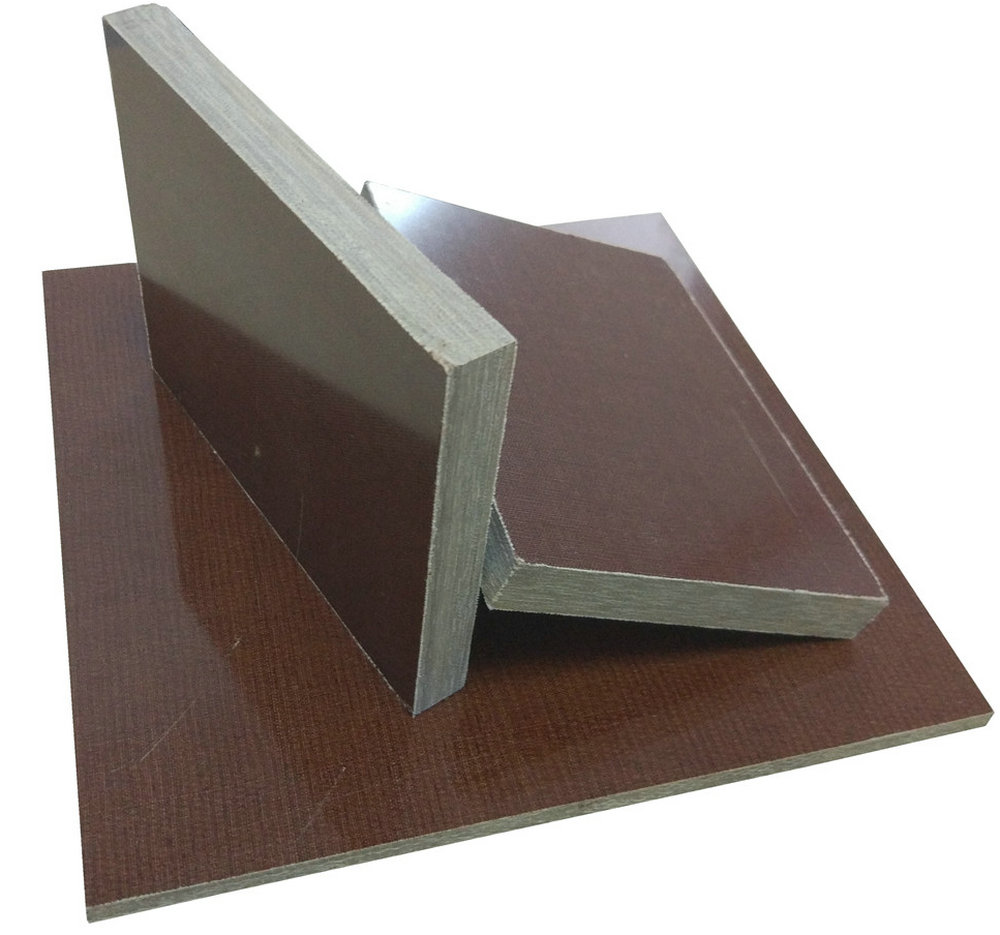
Store sheets horizontally with proper support to prevent bending or warping. Avoid stacking excessively heavy loads on top.
-Handling Precautions
Use gloves when handling to keep surfaces clean and prevent contamination, especially if used in electrical applications.
-Shelf Life
Phenolic laminates do not have a strict expiration date. However, very long-term storage in poor conditions can affect their mechanical and electrical properties. Inspect periodically if stored for extended periods.
FAQ
Q1: What is the difference between phenolic cotton cloth laminate and paper-based phenolic laminate?
A: The cotton cloth laminate (Textolite) uses woven fabric as the reinforcing material, providing higher mechanical strength and better impact resistance. Paper-based phenolic (commonly known as Bakelite sheets) uses paper layers, offering good electrical insulation but lower mechanical strength compared to cotton cloth laminates.
Q2: Can phenolic cotton cloth laminated sheets be used for high-temperature applications?
A: Standard grades typically operate continuously up to around 120–140°C. For higher temperatures, special high-temperature phenolic grades or alternative laminates (e.g., glass-fiber-based) are recommended.
Q3: Are phenolic cotton cloth laminated sheets suitable for outdoor use?
A: They can be used outdoors, but prolonged exposure to high humidity and UV may cause some degradation over time. Sealing or coating the laminate, or choosing a grade with moisture-resistant properties, can help.
Q4: How do I machine phenolic cotton cloth sheets?
A: Standard woodworking or metalworking tools can be used, but carbide-tipped or diamond-tipped tools are recommended for extended tool life. Dust extraction is important, as phenolic dust can be irritating if inhaled.
Q5: Are these sheets safe for food-contact applications?
A: Generally, phenolic laminates are not designed for direct food contact.
Q6: What thicknesses and sizes are available?
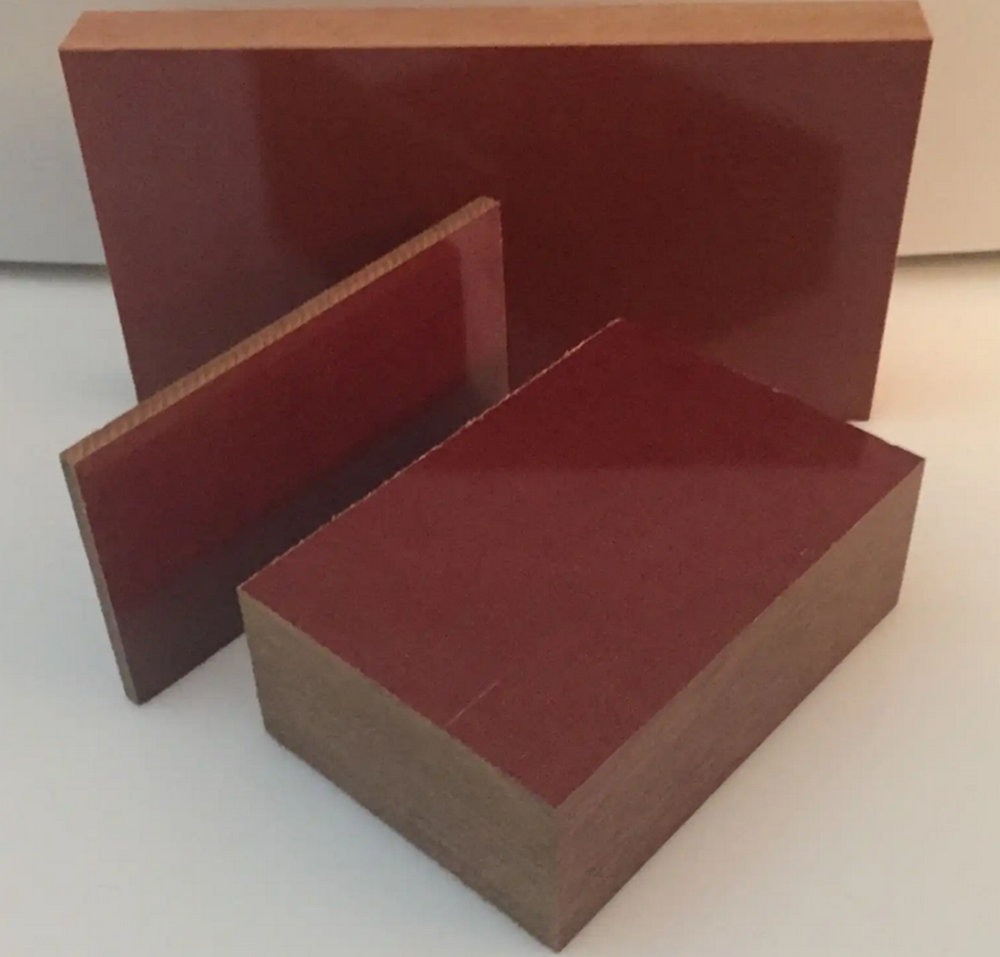
A: Common thicknesses range from 0.5 mm up to 100 mm or more. Standard sheet sizes often include 1020 × 1220 mm, 1220 × 2440 mm, or customized dimensions upon request.
Q7: Can phenolic cotton cloth laminates be glued or bonded to other materials?
A: Yes, they can be bonded using epoxy or other industrial adhesives, but surface preparation (light sanding or cleaning) is recommended to ensure a strong bond.
Q8: Do phenolic cotton cloth laminates come in different colors?
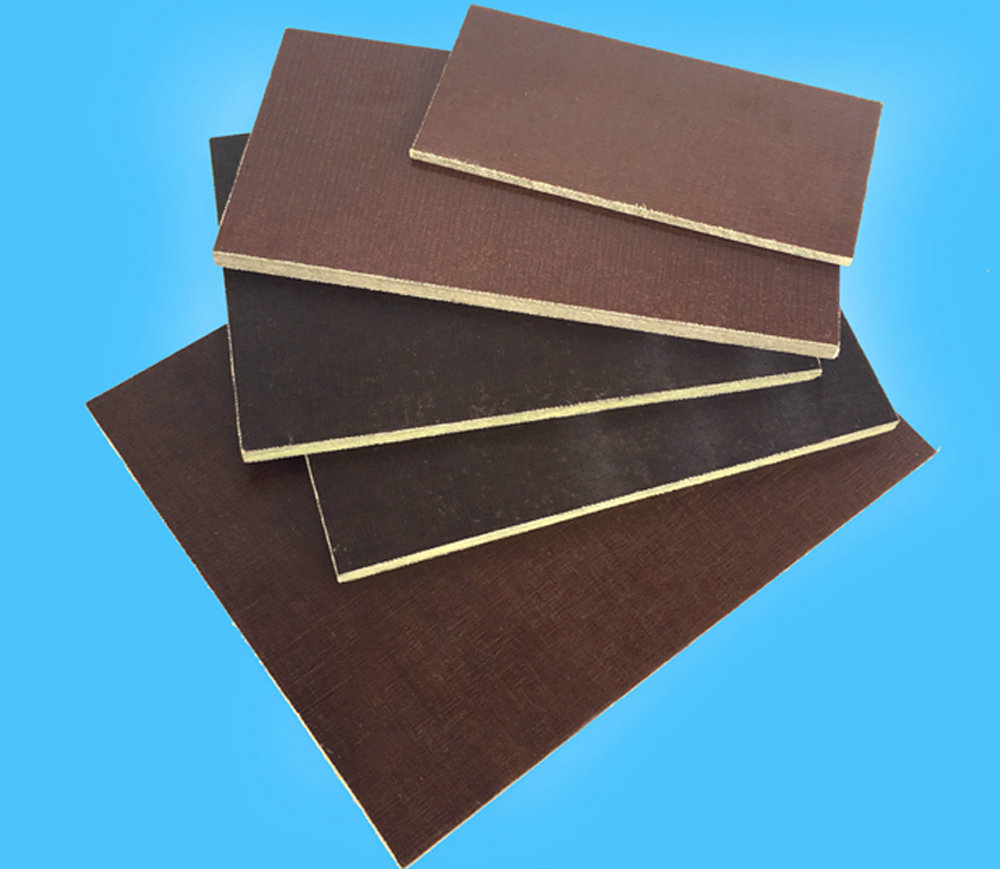
A: They typically have a brownish or dark brown color due to the phenolic resin and cotton fabric.
- PRE: No more
- NEXT: 60300 Phenolic Cotton Rods - Custom Acrylic Sheets