






Details
Precision Components for Mechanical and Electrical Engineering
Designed for engineers and procurement specialists, phenolic cotton rods serve as versatile laminated
profiles that combine high mechanical strength with moderate electrical insulation. Their construction
using woven cotton fabric impregnated with phenolic resin ensures durability and dimensional stability
under changing conditions. These rods complement applications requiring seamless integration with
materials such as custom acrylic sheets and colored acrylic sheets, providing reliable performance in
system design and assembly environments focused on efficiency and compliance.
Robust Physical Properties and Machinability Specifications
Phenolic cotton rods exhibit high tensile (80–120 MPa) and compressive strength (200–300 MPa), alongside
good wear resistance enabled by the woven cotton reinforcement. Their thermal resistance supports
continuous operation up to 140°C while maintaining excellent dielectric strength (~8–12 kV/mm). Density
ranges from 1.3 to 1.4 g/cm³, and rods are easily machined using conventional tooling, facilitating
integration with clear acrylic sheets or acrylic plastic sheets in precision fabrication workflows. Custom
sizing options ensure compatibility with diverse engineering requirements.
Industrial Applications Spanning Multiple Sectors
This product is suited to manufacturing high-load bushings, friction-resistant gears, and electrical insulation
components in automotive, marine, and industrial machinery sectors. It supports low- to medium-voltage
applications and can be combined effectively with wholesale acrylic sheets for structural and insulating parts.
The rods reliably withstand exposure to oils and mild chemicals, offering system integrators and design
engineers an effective solution for demanding operational environments requiring robust, adaptable materials.
PHENOLIC COTTON CLOTH LAMINATED RODS
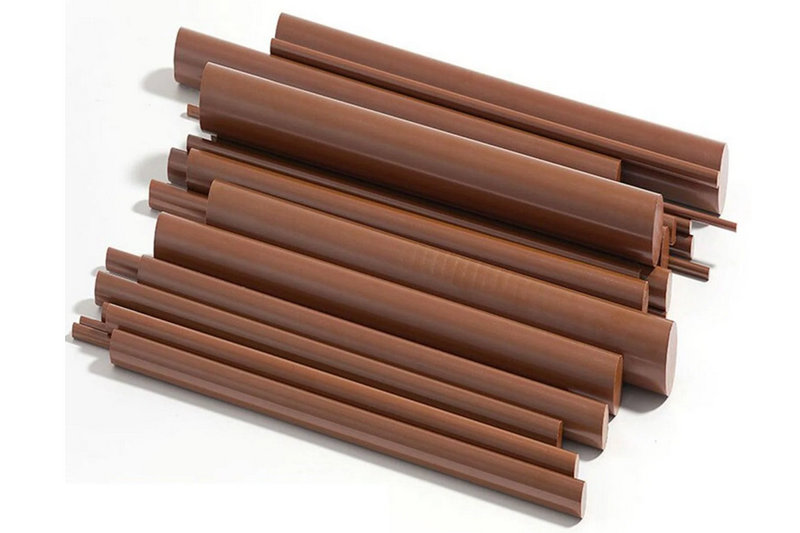
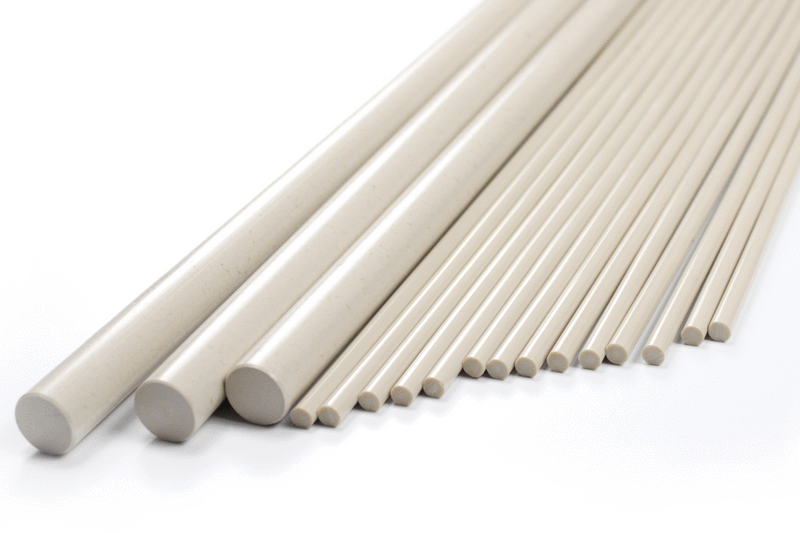
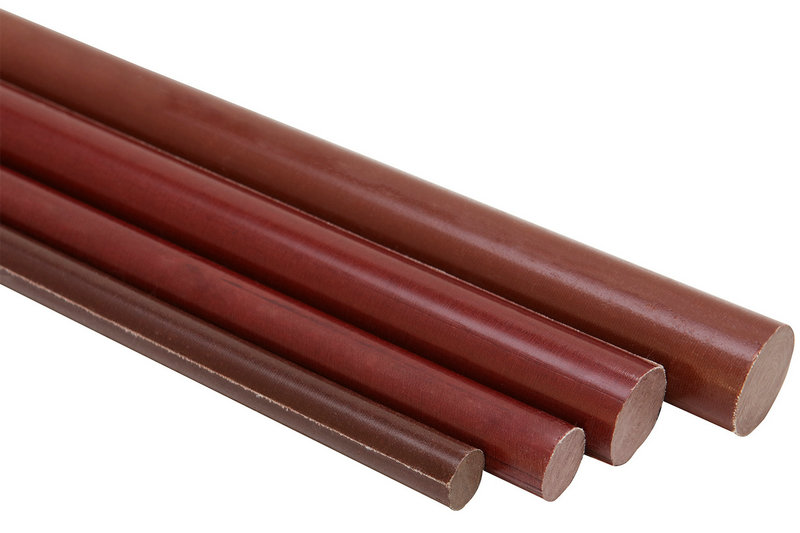
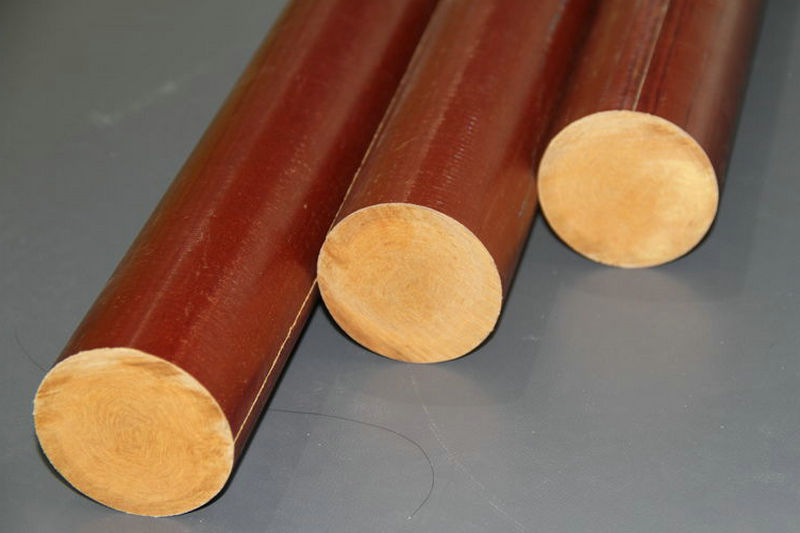
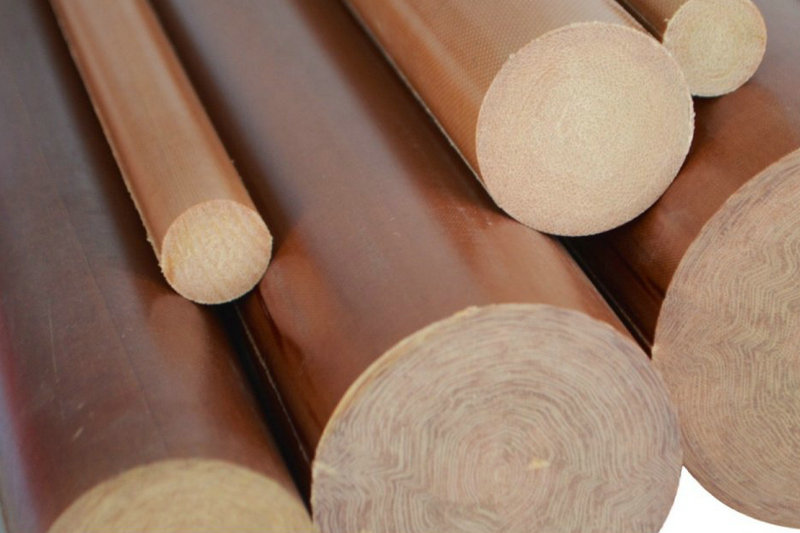
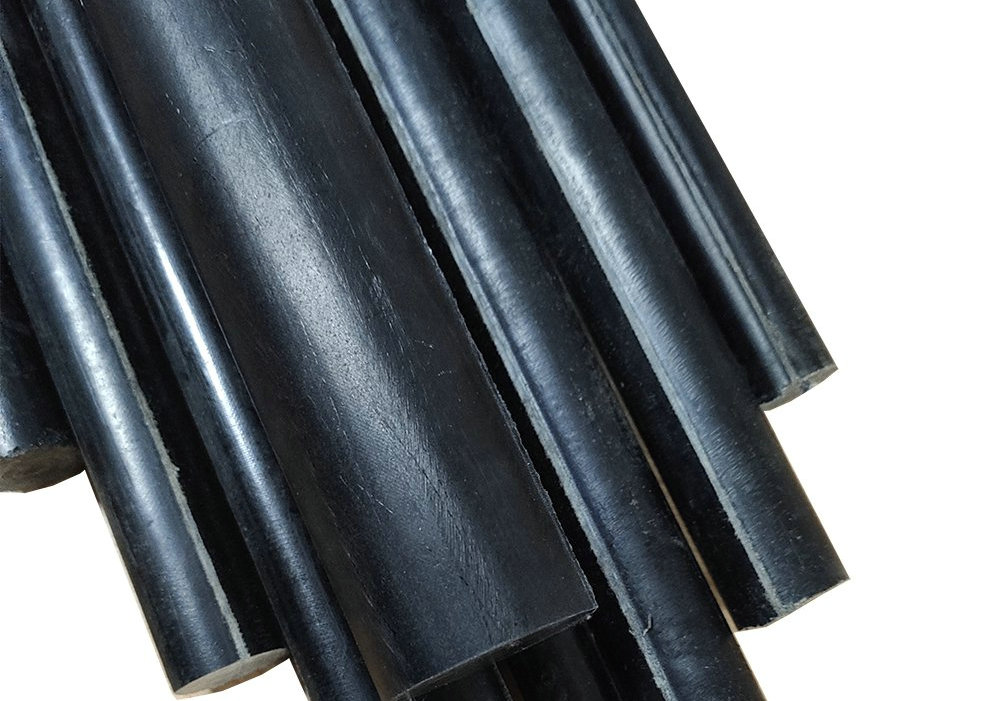
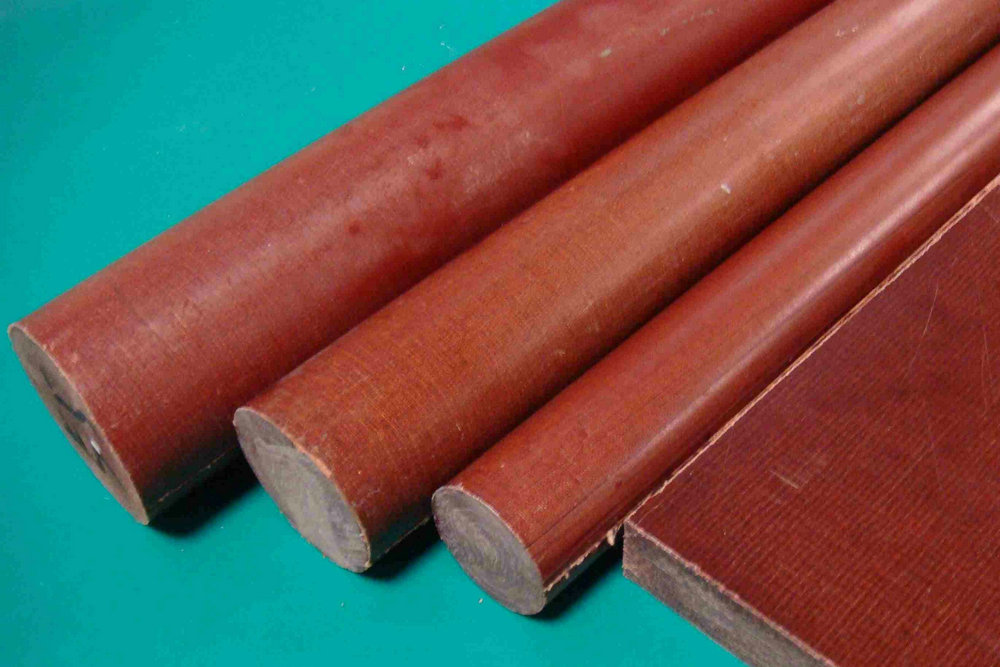
Phenolic Cotton Cloth Laminated Rods (commonly referred to as Textolite Rods) are cylindrical profiles made by impregnating layers of woven cotton fabric (canvas) with phenolic resin. These layers are then formed into rods under high temperature and pressure, resulting in a dense, rigid material with excellent mechanical and wear-resistant properties. The woven cotton reinforcement imparts enhanced tensile strength and toughness, while the phenolic resin provides chemical resistance and dimensional stability. These rods are widely used in electrical insulation, mechanical components, and industrial applications due to their durability and resistance to environmental stressors.
Synonyms/Trade Names: Textolite Rods, Phenolic Canvas Rods, Cotton Phenolic Rods, SRBF (Synthetic Resin Bonded Fabric) Rods.
Key Features:
-High Mechanical Strength
The cotton fabric reinforcement gives the rod excellent tensile, compressive, and flexural strength.
-Good Wear & Abrasion Resistance
With its woven structure, the rod is ideal for applications that involve friction or repetitive movement.
-Moderate Electrical Insulation
Phenolic resin provides decent dielectric properties, suitable for lower-voltage insulating parts.
-Dimensional Stability
Maintains form and size over a wide range of operating temperatures and humidity levels.
-Good Heat Resistance
Can handle continuous use at moderate temperatures (often up to 120–140°C), with short-term exposures at higher temperatures.
-Ease of Machining
Can be cut, drilled, turned, and milled using standard tooling, making it convenient to fabricate custom components.
-Chemical Resistance
Resistant to many oils, solvents, and mild acids or alkalis.
-Cost-Effective
Provides robust performance at a lower cost compared to many glass-fiber-based laminates.
Technical Parameters:
The table below provides typical (approximate) values for phenolic cotton cloth laminated rods. Actual data may vary depending on the specific grade, resin formulation, and manufacturing process.
Property | Typical Range/Value | Notes |
Density | 1.3 – 1.4 g/cm³ | Varies by resin content & fabric density |
Tensile Strength | 80 – 120 MPa | Higher grades can exceed this range |
Compressive Strength | 200 – 300 MPa | Ideal for load-bearing components |
Flexural Strength | 120 – 180 MPa | Depends on rod diameter & weave type |
Impact Strength | 6 – 10 kJ/m² (Charpy) | Cotton reinforcement boosts toughness |
Temperature Resistance | Continuous use ~120–140°C | Short-term peaks may be higher |
Dielectric Strength | ~8 – 12 kV/mm | Good for moderate-voltage insulation |
Water Absorption | 1.0 – 2.0% (24 hrs @ 23°C) | Cotton content absorbs some moisture |
Thermal Conductivity | ~0.3 W/m·K | Moderate insulating properties |
Diameter Range | Commonly from 6 mm up to 200 mm (or more) | Custom sizes may be available |
Standard Length | Often 1 m or 1.2 m; custom lengths possible | Check with manufacturer/supplier |
Product Advantages:
-Robust Mechanical Properties
The woven cotton structure provides excellent impact, tensile, and flexural strength.
-Friction & Wear Resistance
Suitable for bushings, bearings, and gears where surface wear is a concern.
-Moderate Electrical Insulation
A cost-effective alternative for applications that do not require the higher performance of glass-based laminates (like G10/FR4).
-Noise & Vibration Dampening
Cotton fibers can help reduce noise and vibration better than harder materials.
-Easy to Machine
Machining is straightforward with standard metal or woodworking tools (carbide-tipped tooling recommended).
-Cost-Efficiency
Typically more affordable than many other thermoset laminates, making it an economical choice.
-Versatile
Used in numerous industries, from automotive to electrical engineering, thanks to its balance of properties.
-Customizable:
Available in diameters from 5mm to 300mm and lengths up to 3 meters.
Applications:
-Mechanical Components
Ideal for manufacturing bushings, bearings, gears, and washers in machinery that encounters friction or repeated loads.
-Electrical Insulators
Suitable for low- to medium-voltage components such as coil supports, switchgear parts, and terminal blocks.
-Automotive & Rail
Used in friction parts (e.g., brake components) or as structural supports where shock resistance is needed.
-Marine & Industrial Machinery
Offers dimensional stability and moisture resistance in damp or corrosive environments.
-Jigs & Fixtures
Often employed in tooling, assembly fixtures, and workholding devices due to its ease of machining and durability.
-Textile & Paper Processing Equipment
Commonly found in rollers, guides, and support components that face continuous wear.
-Consumer Goods
Handles for appliances, decorative laminates.
Storage & Handling:
-Storage Conditions
Keep rods in a dry, ventilated environment away from direct sunlight.
Avoid extreme temperature fluctuations to maintain dimensional stability.
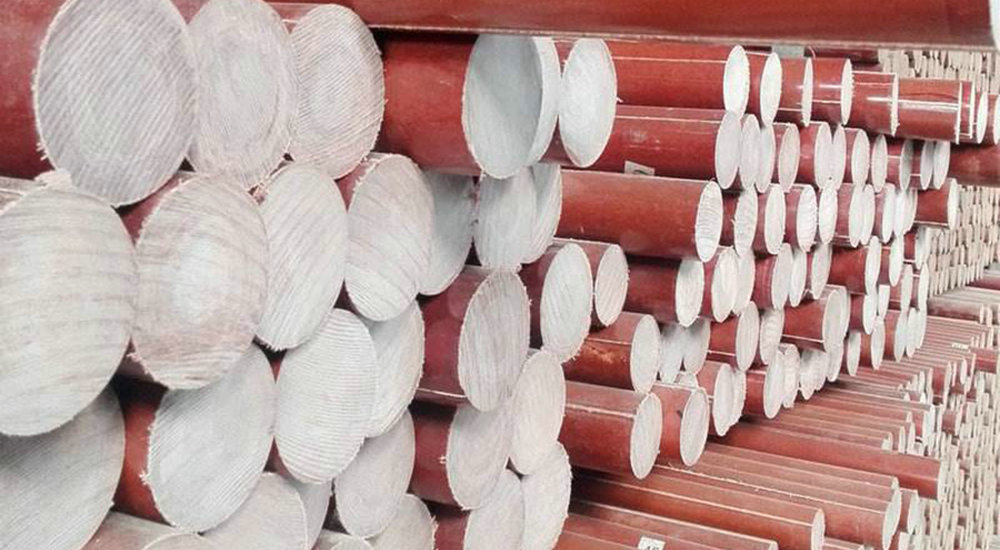
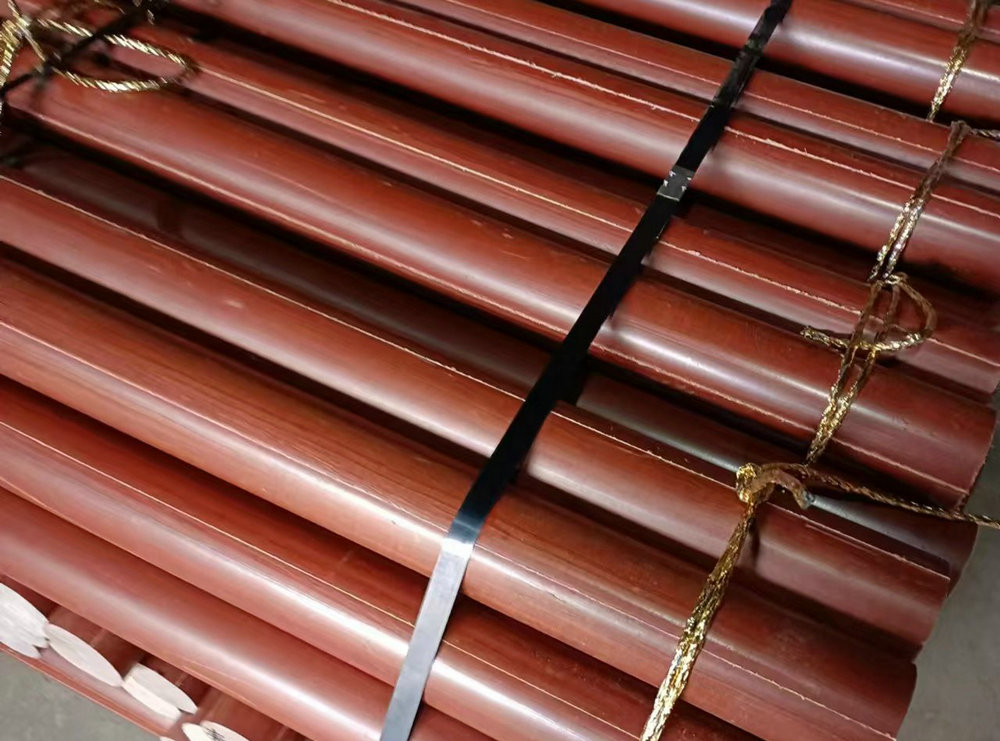
-Flat & Supported Stacking
If storing multiple rods, ensure they are well supported to prevent bending or warping over time.
-Humidity Control
Although phenolic cotton rods are relatively stable, high humidity can lead to slight moisture absorption. Store in a controlled environment when possible.
-Handling Precautions
Wear gloves to keep surfaces clean and free from oils, especially if rods will be used in electrical or precision mechanical applications.
-Shelf Life
Phenolic laminates do not have a strict expiration date. Under good storage conditions, they can maintain their properties for many years.
FAQ
Q1: How do these rods compare to phenolic paper rods or Bakelite rods?
A: Phenolic cotton cloth rods use woven fabric for reinforcement, giving them superior mechanical strength and wear resistance compared to paper-based (Bakelite) rods, which focus more on electrical insulation properties.
Q2: Can phenolic cotton cloth rods handle high temperatures?
A: Standard grades typically operate up to about 120–140°C continuously. For higher temperature applications, specialized high-temperature phenolic grades or alternative laminates (like glass-based) may be more suitable.
Q3: Are phenolic rods safe for food-contact applications?
A: Generally, standard phenolic rods are not intended for direct food contact. If a food-safe or FDA-compliant material is required, consult the manufacturer for a suitable grade or alternative material.
Q4: Can I bond or glue phenolic rods to other materials?
A: Yes, they can be bonded using epoxy or other industrial adhesives. Surface preparation (cleaning, light sanding) is recommended to achieve a strong bond.
Q5: What diameters and lengths are typically available?
A: Common diameters range from around 6 mm up to 200 mm or more, and standard lengths are often 1 m or 1.2 m. Custom sizes may be produced upon request.
Q6: Do these rods come in different colors?
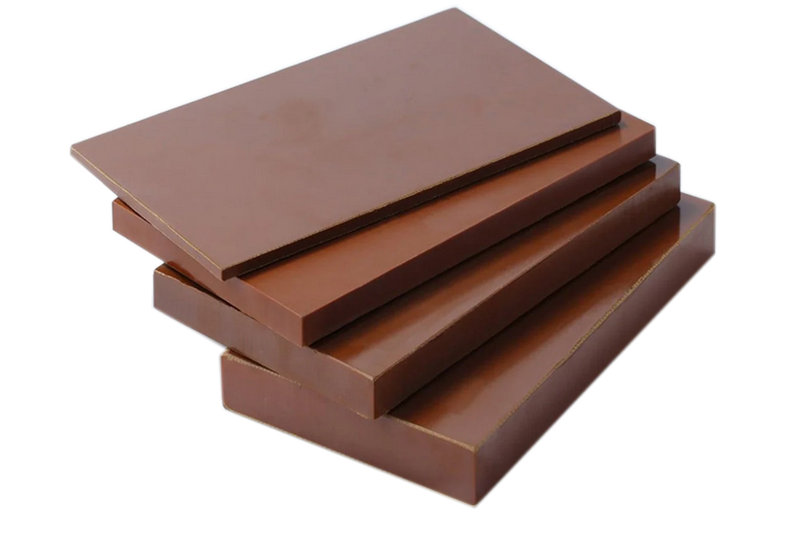
A: Phenolic cotton cloth rods typically have a brownish or dark brown color due to the resin and fabric.
Q7: How do phenolic cotton cloth rods compare to epoxy rods?
A: Higher thermal resistance but lower impact strength than epoxy.
Q8: Can phenolic cotton cloth rods replace metal parts?
A: Yes, in non-load-critical applications. Reduces weight and avoids galvanic corrosion.