






Details
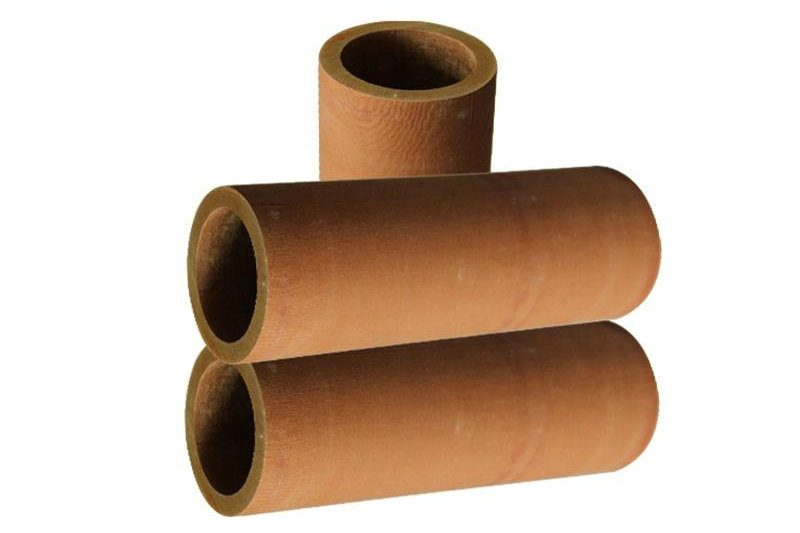
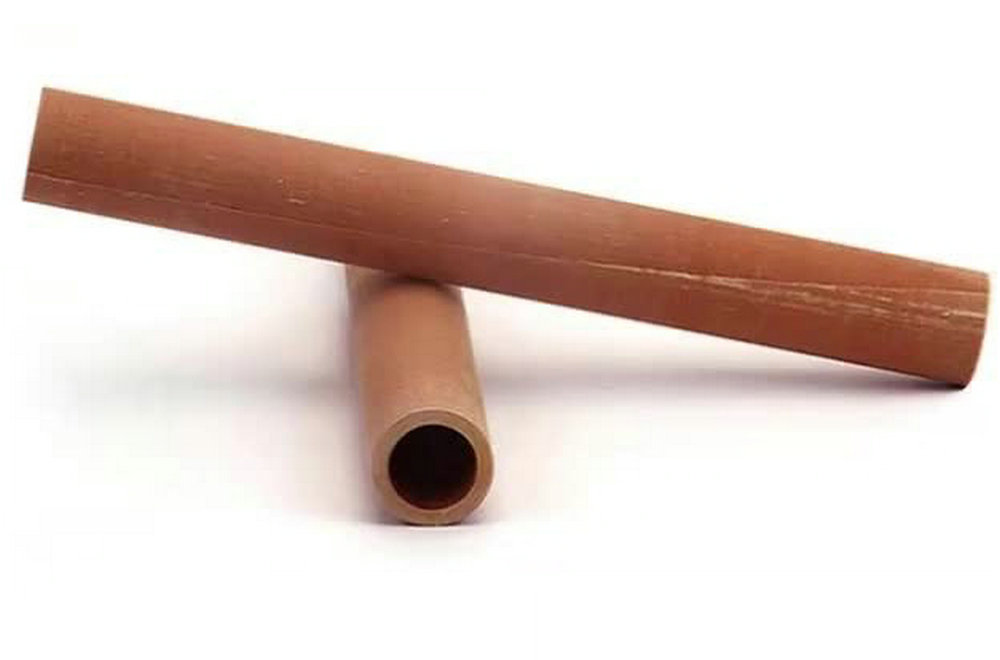
PHENOLIC COTTON CLOTH LAMINATED TUBES
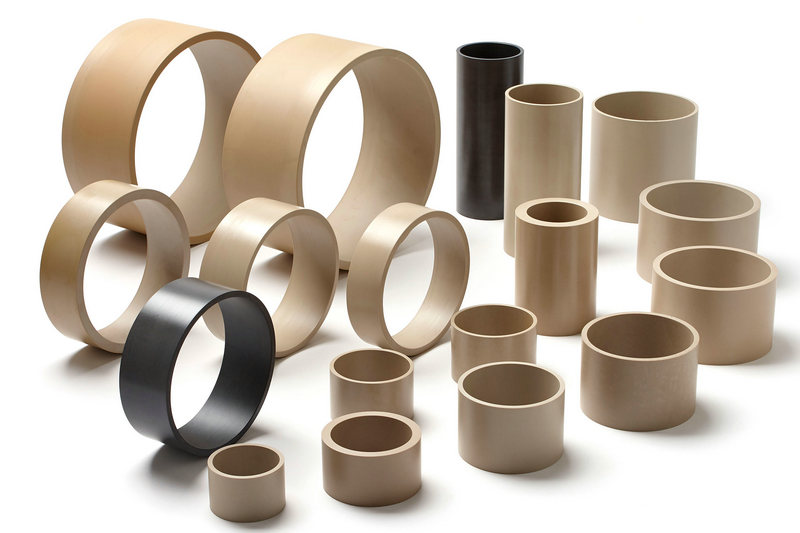
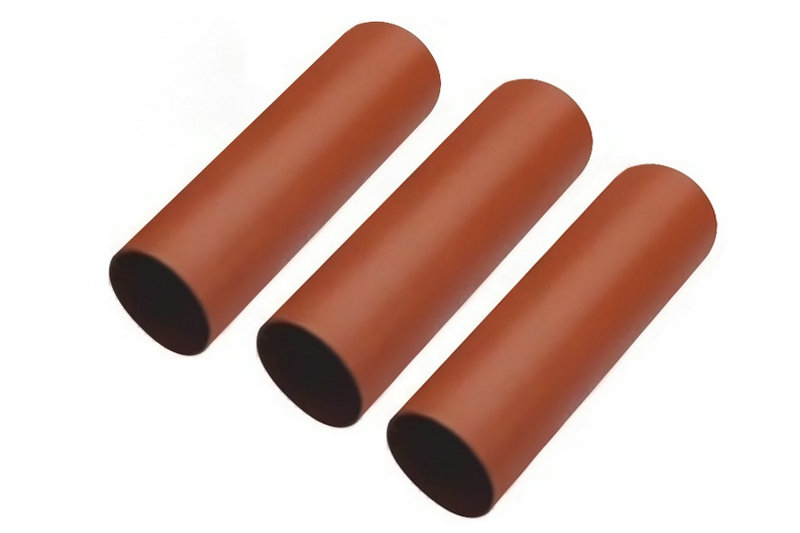
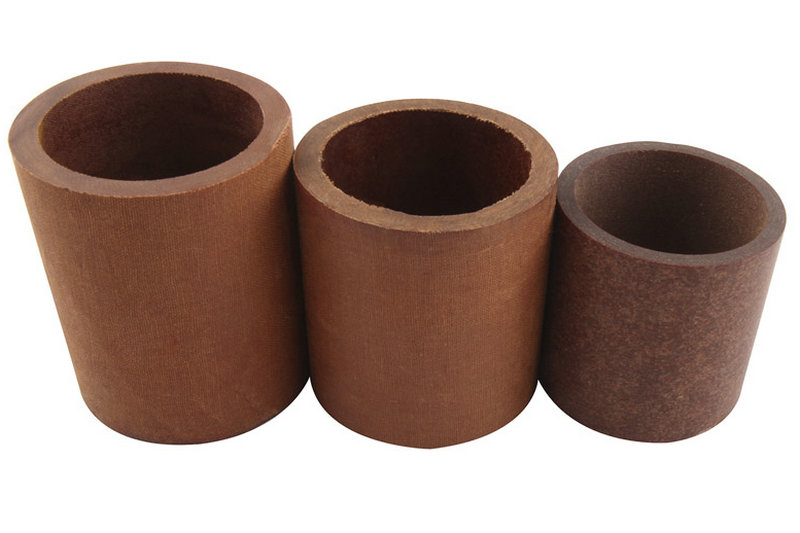
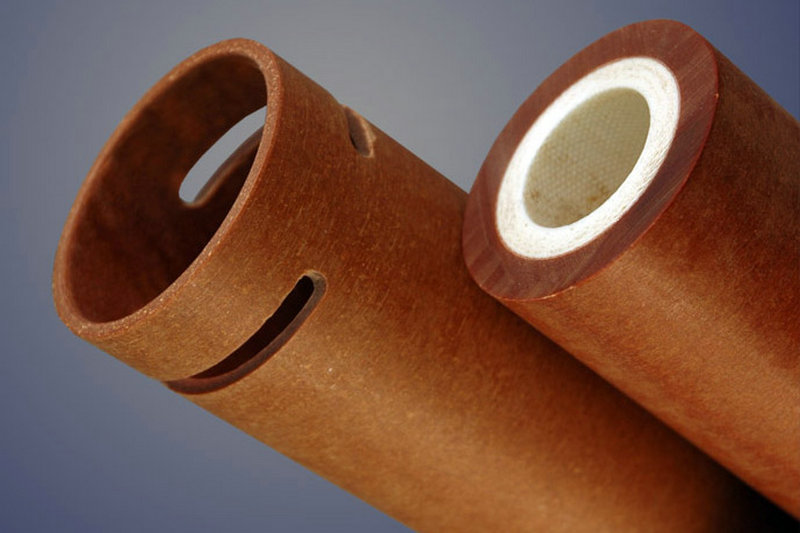
Phenolic Cotton Cloth Laminated Tubes (often referred to as Textolite Tubes) are cylindrical, hollow thermoset composites made by layering cotton fabric saturated with phenolic resin. The layers are bonded under high pressure and heat, creating a robust, dimensionally stable structure. The woven cotton layers impart mechanical strength and durability, while the phenolic resin ensures chemical stability and moderate electrical insulation. These tubes are engineered for applications requiring lightweight durability, electrical insulation, and resistance to mechanical stress.
Key Features:
Hollow Design: Reduces weight while maintaining structural integrity.
Electrical Non-Conductivity: Ideal for insulating high-voltage components.
Thermal Endurance: Withstands temperatures up to 130°C continuously.
Chemical Resilience: Resists oils, alkalis, and mild acids.
Low Moisture Absorption: <1% water uptake (24-hour immersion).
Machinable: Can be precision-cut, drilled, or threaded without delamination.
Anti-Friction Properties: Smooth surface reduces wear in dynamic applications.
Technical Parameters:
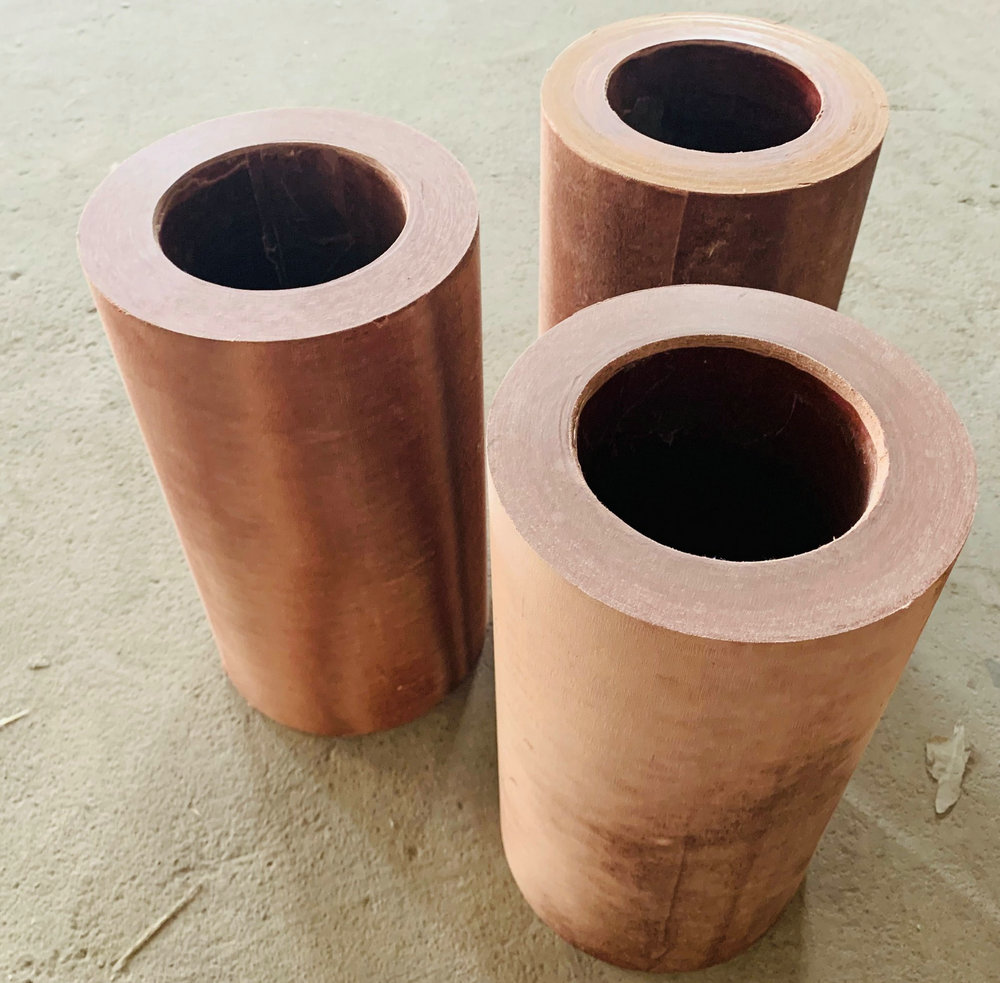
While properties can differ based on the grade and manufacturing standards, the following table outlines approximate ranges often associated with phenolic cotton cloth laminated tubes:
Property | Approx. Value/Range | Remarks |
Density | ~1.3–1.4 g/cm³ | Influenced by resin content & fabric density |
Compressive Strength | ~200–300 MPa | Supports load-bearing applications |
Flexural Strength | ~120–180 MPa | Affected by tube diameter & wall thickness |
Tensile Strength | ~80–120 MPa | Cotton layers enhance durability |
Continuous Use Temperature | ~120–140°C | Higher temps possible for short durations |
Property | Approx. Value/Range | Remarks |
Dielectric Strength | ~8–12 kV/mm | Suitable for moderate-voltage insulation |
Water Absorption (24 hrs) | ~1.0–2.0% | Cotton component can absorb limited moisture |
Thermal Conductivity | ~0.3 W/m·K | Provides moderate insulation |
Wall Thickness Range | 2mm to 50mm | customizable |
Standard Sizes | Inner diameters from 10mm to 500mm, lengths up to 2.5 meters |
Product Benefits:
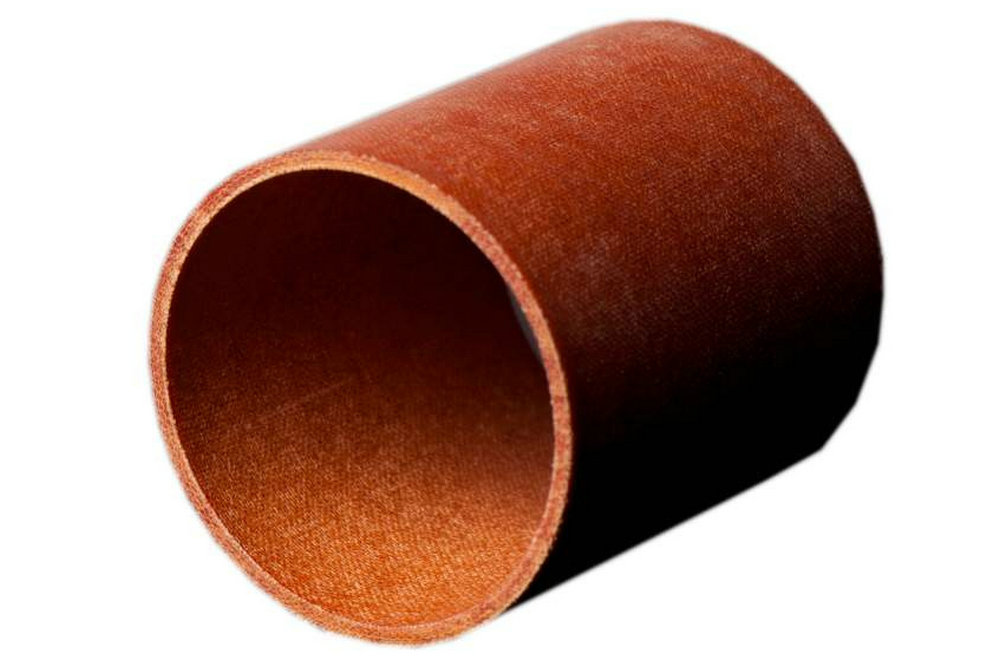
-Robust Mechanical Properties
Ideal for load-bearing or impact-prone applications.
-Reduced Weight
Hollow construction decreases overall mass, making installation and handling simpler compared to solid laminates. Up to 60% lighter than metal tubes (e.g., steel, aluminum).
-Dimensional Stability
Retains shape under temperature and humidity fluctuations, minimizing deformation or warping.
-Cost-Effective
More economical than many advanced composites, while still offering reliable performance.
-Noise & Vibration Damping
Cotton fabric layers can help absorb shock and reduce operational noise in rotating or sliding parts.
Applications:
Electrical Systems: Insulating sleeves for busbars, transformer cores, and switchgear.
Mechanical Engineering: Rollers, bushings, spacers, and guide tubes.
Automotive: Hydraulic system components, bearing housings.
Aerospace: Lightweight structural parts in non-critical load zones.
Textile Machinery: Shuttles, bobbins, and conveyor system guides.
Renewable Energy: Insulating components in wind turbine assemblies.
Storage & Handling:
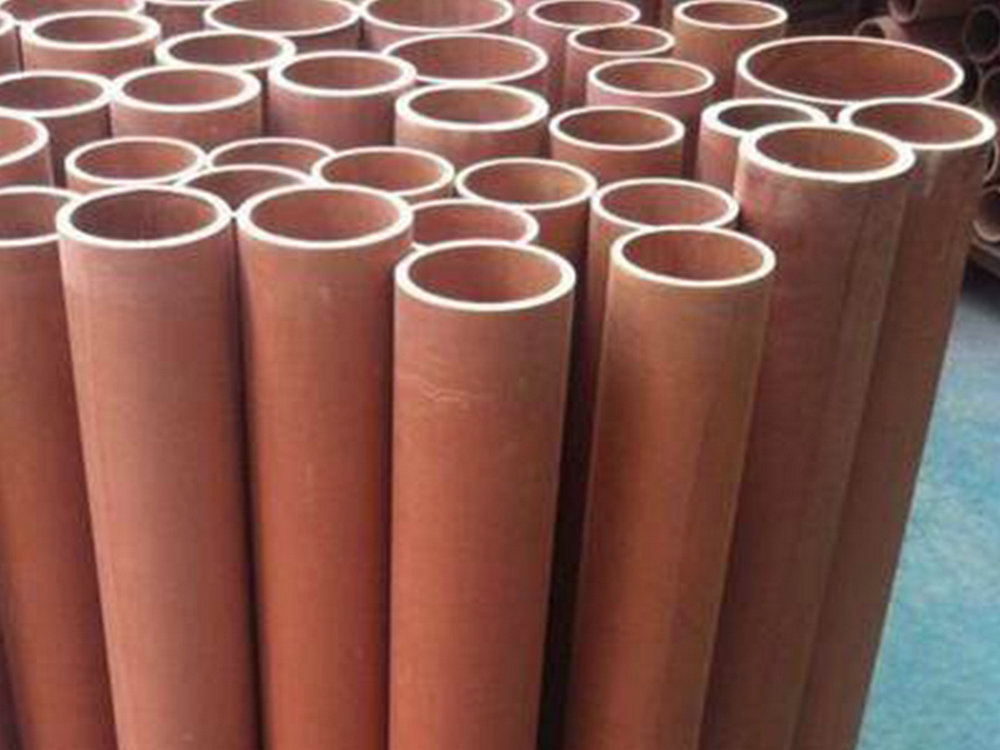
-Cool, Dry Environment
Storing in a space with moderate temperature and humidity (humidity <65%) at 15–25°C. helps maintain dimensional consistency and prevents moisture absorption.
-Stable Positioning
Keep tubes in a horizontal position with adequate support. Overstacking or applying excessive weight on them may lead to warping.
-Protect from Direct Sunlight
Prolonged UV exposure can cause surface degradation or color changes over extended periods.
Regular Inspection
For critical applications, periodically check for cracks, delamination, or changes in dimensions, especially if used under high stress or extreme conditions.
FAQ
Q1: How do phenolic cotton cloth laminated tubes differ from rods?
A: Tubes have a hollow core, reducing weight and allowing them to function as sleeves or bushings, whereas rods are solid. This structural difference suits tubes for applications requiring lower mass or an internal passage.
Q2: Can Textolite tubes handle high rotational speeds?
A: Yes, their low friction and balanced construction make them suitable for rotating parts like rollers.
Q3: What tolerances are achievable for inner/outer diameters?
A: Standard tolerance is ±0.1mm; tighter tolerances (±0.05mm) require custom machining.
Q4: Can phenolic cotton cloth tubes be threaded or grooved?
A: Yes, threads and grooves can be added post-curing using CNC machining.
Q5: How do Textolite tubes compare to PVC or nylon tubes?
A: Superior thermal resistance and mechanical strength but less flexible.
Q6: What’s the lead time for bulk orders?
A: Typically 2–3 weeks for standard sizes; custom designs may take longer.
Q7: Are custom lengths of phenolic cotton tubes available?
A: Yes, phenolic cotton cloth tubes can be cut to specific lengths (e.g., 500mm to 2.5m).
Q8: Can I machine phenolic cotton cloth tubes with standard tools?
A: Yes, conventional metal or woodworking tools can be used. However, carbide-tipped or diamond-tipped tools last longer, and dust extraction is advisable since phenolic dust can be irritating.
- PRE: 60300 Phenolic Cotton Rods
- NEXT: No more