







Polytetrafluoroethylene (PTFE) in aerospace equipment sealing gaskets and O-rings
2025-06-30 17:11:03
With the continuous development of aerospace technology, the sealing performance of equipment is increasingly becoming a key factor in ensuring flight safety and stable equipment operation. As a high-performance Engineering Plastic, polytetrafluoroethylene (PTFE), with its excellent high-temperature resistance, chemical resistance, low coefficient of friction, and excellent mechanical properties, has shown great advantages in the application of sealing gaskets and O-rings in aerospace equipment.
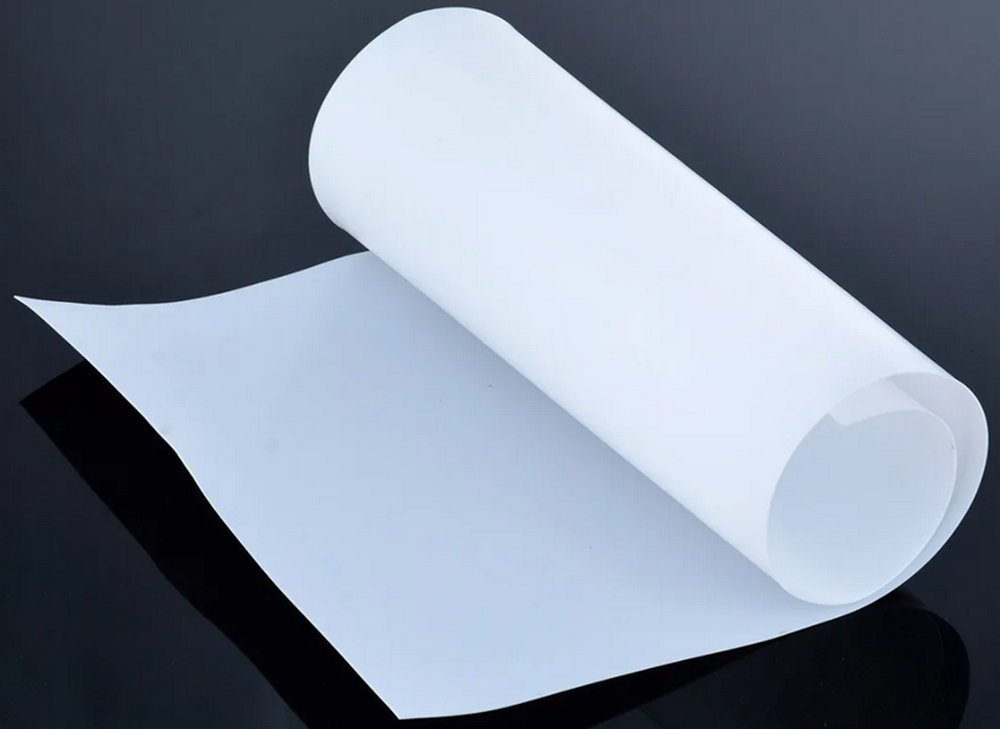
Superior Performance Advantages
PTFE has excellent high-temperature resistance and is stable over a wide range of temperatures from -200°C to 260°C, which greatly meets the sealing needs of aerospace equipment in high-temperature environments. In addition, PTFE exhibits excellent corrosion resistance to most chemicals, including strong acids, bases, fuels, liquid oxygen, etc., which allows it to operate stably over long periods of time in harsh environments.
Among sealing materials, PTFE also stands out for its low coefficient of friction and resistance to wear. Its low friction properties make it particularly suitable for dynamic sealing applications, where it can effectively reduce wear and prolong the life of equipment in parts that move at high speeds and rub frequently. As a result, PTFE is widely used in aerospace equipment where high precision and reliability are required for sealing components, especially O-rings and gaskets that involve dynamic sealing.
Applications in Aerospace Equipment
In aerospace, sealing systems are often required to maintain reliable sealing under extreme temperatures, strong chemical environments and high pressures. PTFE has become the sealing material of choice for a number of critical systems due to its superior overall performance. Firstly, PTFE is commonly used in aircraft fuel systems and hydraulic systems to provide strong seals for fuel lines, hydraulic cylinders, etc. at high temperatures and pressures to prevent oil and gas leakage. In addition, PTFE is also widely used in engine systems, such as O-rings and sealing gaskets for turbine engines, liquid cooling systems, fuel injection systems and other components, to ensure stable engine operation and high efficiency.
For pneumatic systems, PTFE's low coefficient of friction makes it an ideal sealing material, especially in components that require dynamic sealing, such as aircraft pneumatic ducts and landing gear. In these applications, PTFE not only ensures the sealing performance of the system, but also effectively reduces the energy loss caused by friction.
Outlook
With the continuous progress of aerospace technology, equipment on the sealing performance requirements are increasingly stringent, PTFE by virtue of its wide applicability and excellent performance, will be in the future of aerospace sealing system to play a more important role. With the research and development of high-performance composite materials and new PTFE materials, it is expected that PTFE will play a greater potential in more extreme conditions, providing a stronger guarantee for the safety and reliability of aerospace equipment.
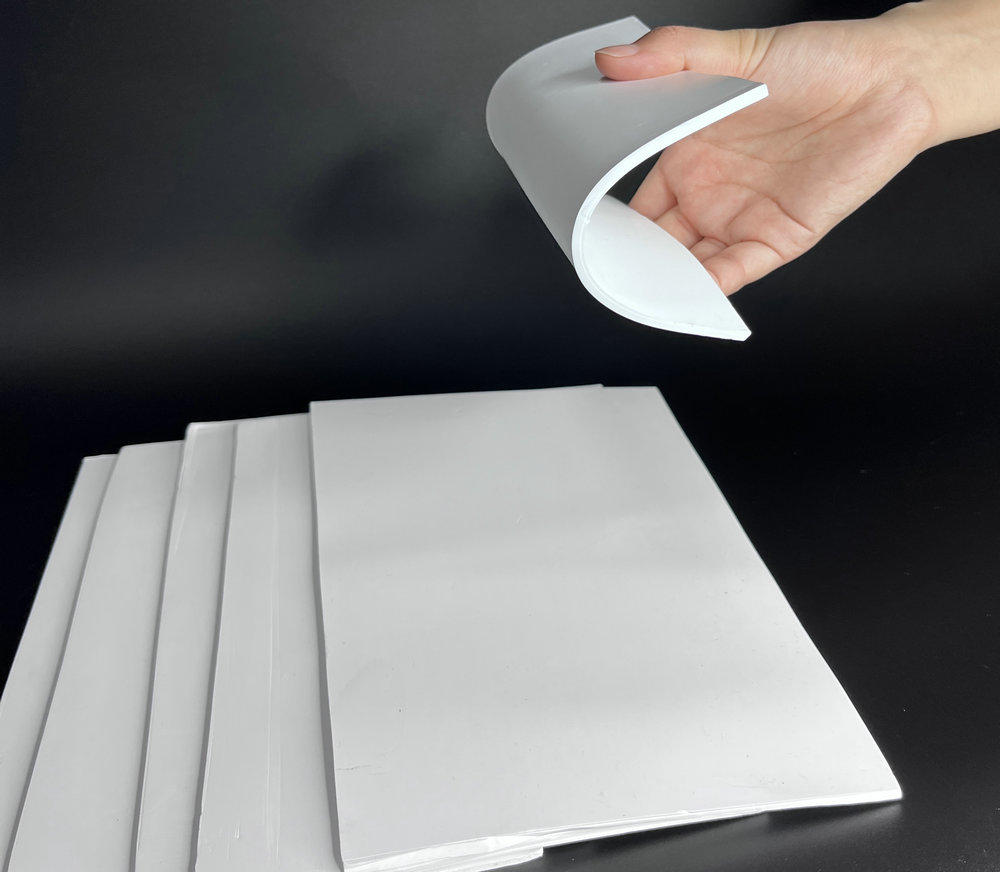
In conclusion, polytetrafluoroethylene (PTFE), as a high-performance sealing material, has been expanding its applications in aerospace equipment and providing extremely reliable sealing solutions for aerospace equipment. With the continuous progress of technology, PTFE will occupy a more important position in the future sealing technology in the aerospace field.