







Polytetrafluoroethylene (PTFE) in chemical sensors
2025-06-30 17:17:31
In recent years, with the rapid development of sensor technology, chemical sensors have been widely used in environmental monitoring, industrial control, health care and other fields. In these sensors, the choice of materials is crucial, especially for chemical sensors, which often need to work in extreme environments, where the requirements for chemical resistance, high temperature resistance and electrical insulation are particularly stringent. Polytetrafluoroethylene (PTFE), as an Engineering Plastic with excellent properties, has become an essential material for chemical sensors.
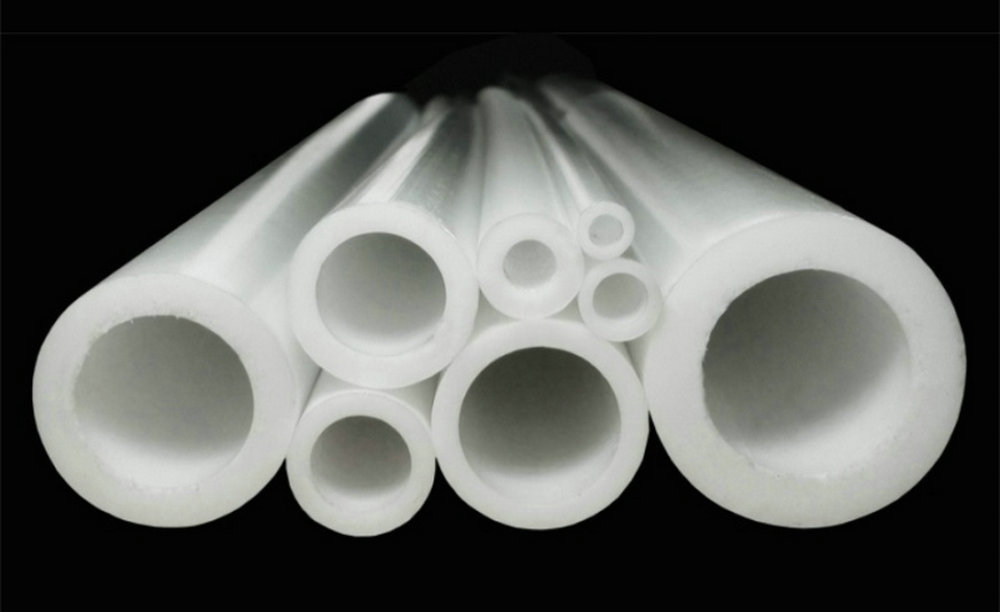
PTFE, often referred to as ‘Teflon’, is a material with extremely high chemical stability and is highly resistant to almost all chemicals, including acids, alkalis and solvents. This property makes PTFEthe protective housing and encapsulation material of choice for chemical sensors. Whether in industrial sensing applications for acid gas monitoring, corrosive chemical detection or extreme conditions, PTFE provides long-term protection of the sensor element from the external environment.
In chemical sensors, PTFE is not only used as a housing material, but also in a wide range of sensing membranes and thin film materials. For example, PTFE films are often used in gas sensors, which detect the concentration of a gas by reacting the film with the gas to be measured and changing its electrical or optical properties. Due to PTFE's surface properties (low surface energy), its films are able to react effectively and selectively with gas molecules, increasing the sensitivity and accuracy of the sensors.
In addition, PTFE is commonly used in the fabrication of microfluidic sensors. In microfluidic sensors, PTFE can effectively create microchannels and valves to provide precise control of liquid or gas flow. Due to PTFE's low friction properties, the stability and service life of microfluidic sensors is significantly improved.
PTFE's high temperature resistance is also an important factor in its widespread use in chemical sensors. Many chemical sensors are required to work in high temperature environments for long periods of time, such as automotive emissions monitoring, industrial exhaust emissions testing, etc. PTFE's high melting point and excellent heat resistance enable it to withstand these extreme conditions and maintain stable performance.
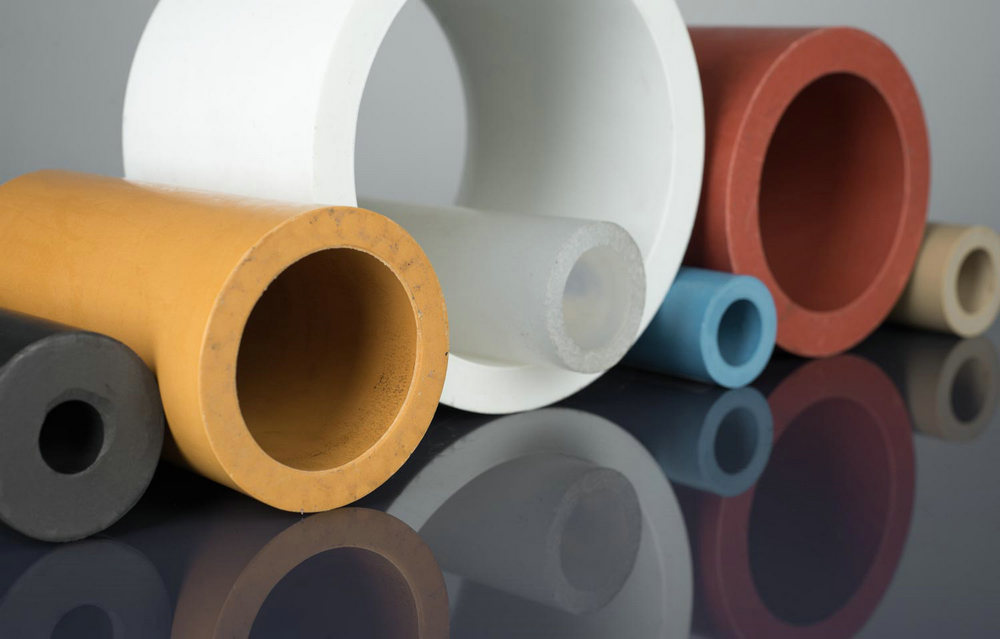
In summary, Polytetrafluoroethylene (PTFE) has great potential for use in chemical sensors by virtue of its excellent chemical resistance, high temperature resistance, excellent electrical insulation properties and low friction. With the continuous progress of sensor technology, PTFE will play a more important role in the future of chemical sensors, to promote the development of various industries in the direction of more intelligent and accurate.